Livraison au Canada
Économisez jusqu'à 50 %

Livraison aux États-Unis
Économisez jusqu'à 75 %

Livraison à l'international
Économisez jusqu'à 85 %

Livraison le jour même
Dans toute la région du Grand Toronto

Retours
Le tarif le plus bas du marché
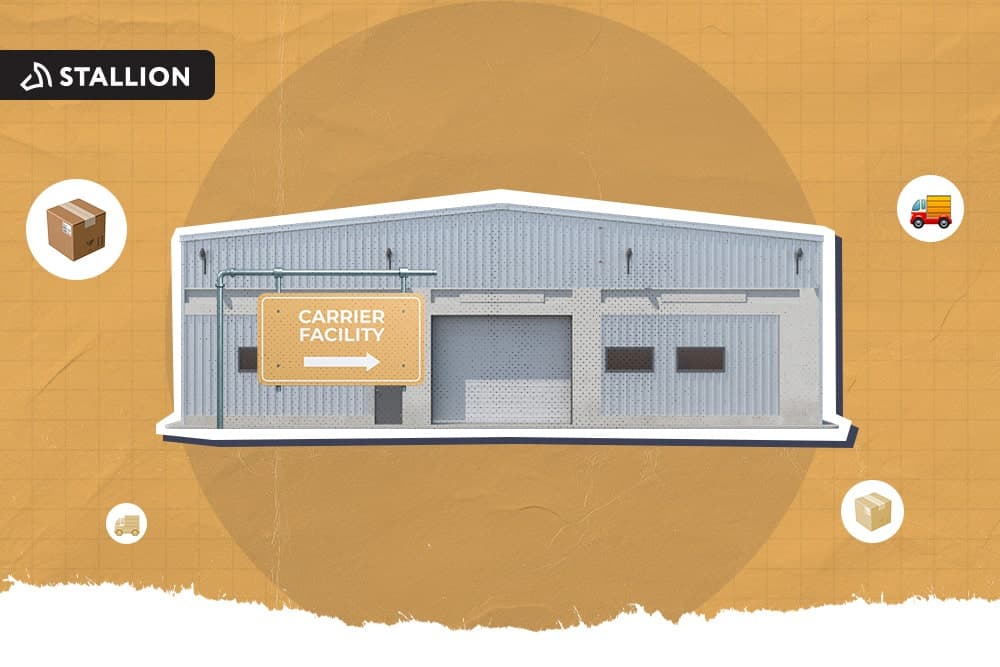
Le monde de la logistique peut parfois sembler un peu compliqué. Il existe plusieurs termes que vous ne connaissez peut-être pas encore, comme « centre de tri ». Si vous êtes vendeur en ligne, comprendre ce qui se passe en coulisses peut vous aider à mieux expliquer les retards à vos clients.
Ce guide vous explique en détail tout ce que vous devez savoir sur ces installations, leur fonctionnement et l'importance du suivi pour votre entreprise.
Un centre de tri est un centre de traitement des colis. Une fois que les colis arrivent au centre de tri, le personnel les scanne, les trie et les achemine vers leur destination finale.
Tous les grands transporteurs, comme Postes Canada, FedEx ou l'USPS, exploitent ces centres à l'échelle nationale. Quelle que soit la destination du colis, qu'il s'agisse d'un autre quartier de la ville ou d'un pays voisin, il passera probablement par un ou plusieurs de ces centres au cours de son acheminement.
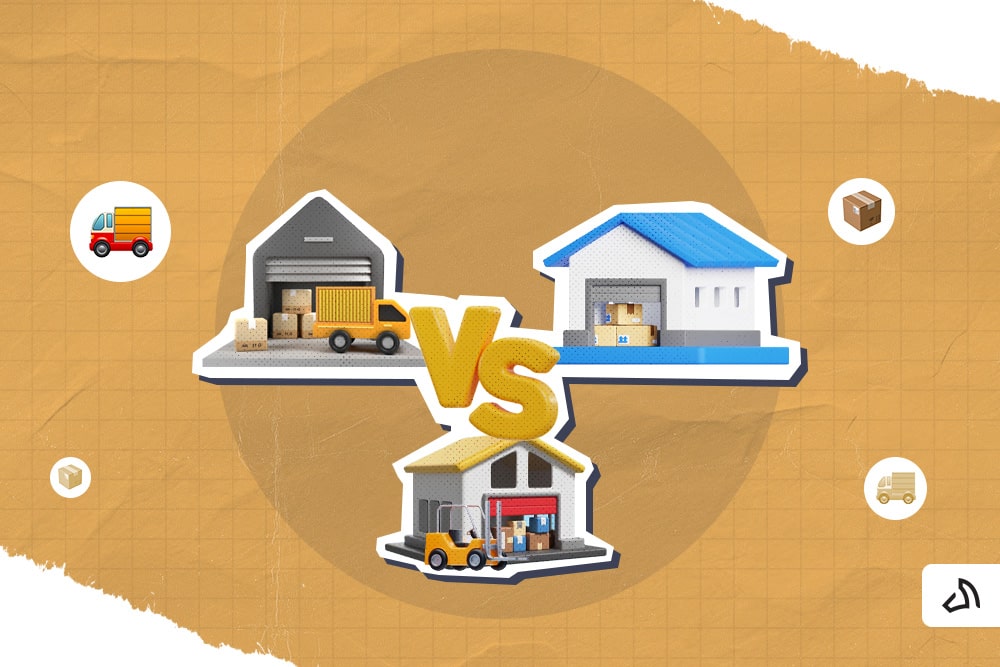
Ils peuvent sembler similaires, mais chacun remplit une fonction différente dans le processus logistique et de livraison.
Un centre de distribution est généralement un grand entrepôt où sont stockés des produits en vrac. Les articles y sont acheminés avant d'être livrés aux détaillants, aux grossistes ou aux centres de traitement des commandes. Ces installations sont spécialisées dans la manutention de grandes quantités de marchandises. De plus, elles ne s'occupent généralement pas du traitement des commandes individuelles.
D'autre part, un centre de logistique est un site destiné aux entreprises de commerce électronique. Une fois le colis arrivé, le personnel stocke vos stocks, prépare et emballe les commandes des clients, puis appose les étiquettes d'expédition. Lorsque le colis est prêt, le centre de logistique le remet au transporteur choisi pour la livraison.
Par ailleurs, comme indiqué précédemment, ces derniers sont gérés par les transporteurs eux-mêmes. Les colis sont enregistrés, triés par destination, puis acheminés vers la prochaine étape. Il convient de noter que certains colis peuvent transiter par plusieurs centres avant d'arriver chez le client.
En bref :
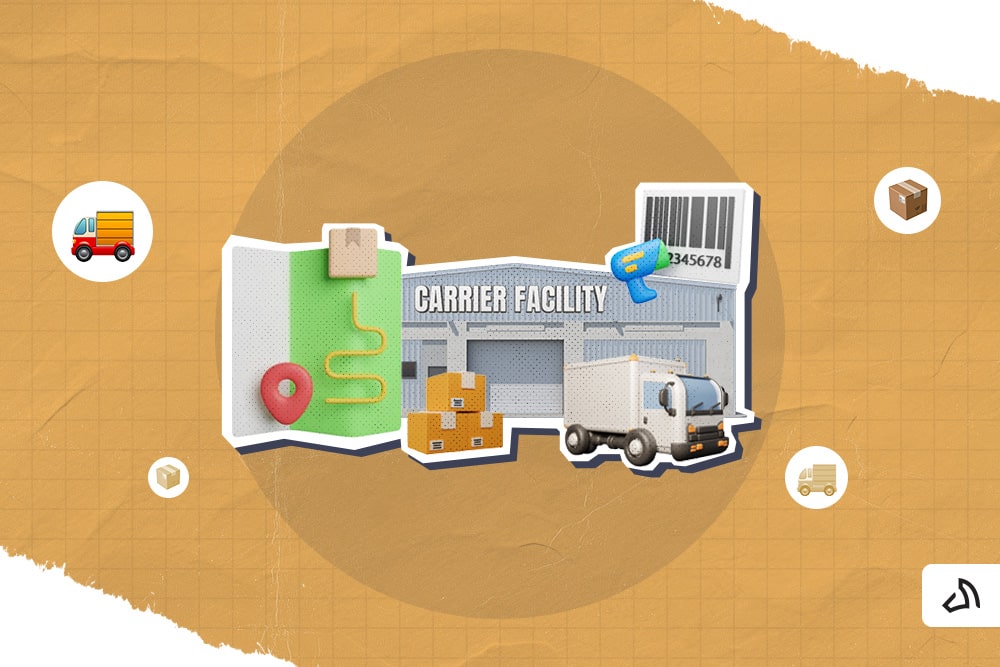
Ces installations sont axées sur la rapidité, l'organisation et la logistique. Voici un bref aperçu des principales étapes :
Lorsqu'un colis arrive, il est enregistré dans le système. Cela permet de mettre à jour les informations de suivi afin que vous et votre client sachiez que le centre de tri l'a bien reçu.
Les colis sont scannés et triés en fonction de leur destination. Les grands centres de tri ont souvent recours à l'automatisation pour scanner et acheminer les colis rapidement et efficacement.
Une fois trié, le colis est chargé dans les camions, fourgons ou avions de livraison suivants, selon le mode d'expédition choisi. Ce processus permet à votre colis de se rapprocher de sa destination finale.
Il arrive parfois qu'un colis reste bloqué dans un centre de tri en raison de mauvaises conditions météorologiques, de correspondances manquées ou d'un volume important de colis. C'est tout à fait normal, mais cela peut entraîner de légers retards dans les délais de livraison.
Une fois le traitement terminé, le colis est prêt à être acheminé vers la prochaine étape. Il peut s'agir d'un autre centre de tri, d'un point de livraison local ou du bureau de poste pour la livraison finale.
Voici quelques-unes des questions fréquemment posées au sujet de ces installations :
Comme indiqué précédemment, des incidents peuvent survenir, tels que :
C'est un phénomène courant pendant les fêtes et les périodes de forte affluence, comme le Black Friday et le Cyber Monday. Si cela se produit, soyez prêt et informez immédiatement vos clients de la situation.
Cela prend généralement moins de 24 heures. Toutefois, pendant les périodes de forte activité dans le domaine de la logistique du commerce électronique, le transfert peut prendre quelques jours.
Si vous avez reçu cette notification, cela signifie que votre colis est en cours d'enregistrement dans le système et en cours de tri dans le centre de tri. Il est toujours en transit et se trouve actuellement à mi-parcours.
Une fois que le colis a quitté le centre de tri, il peut être acheminé vers deux destinations différentes. En fonction de la distance qu'il lui reste à parcourir, il peut être transféré vers un autre centre de tri ou mis en route pour la livraison.
En général, non. La plupart des points de retrait n'autorisent pas le public à venir y récupérer son colis, sauf s'il s'agit d'un point de retrait spécifique proposant cette option.
Si vous vendez en ligne, le suivi des envois n'est pas seulement un plus. C'est une nécessité, tant pour vous que pour vos clients. Voici pourquoi l'emballage joue un rôle crucial dans la chaîne logistique :
Vous savez toujours où se trouve un colis, même lorsqu'il est en cours de traitement dans les centres de tri des transporteurs. Le suivi en temps réel vous permet de résoudre rapidement les problèmes. C'est un véritable soulagement pour vous et vos clients.
N'est-ce pas rassurant de pouvoir suivre son colis ? C'est exactement la même chose pour vos clients, surtout lorsqu'ils savent exactement quand leur colis arrivera à destination !
C'est beaucoup plus simple grâce au numéro de suivi et aux informations sur la date de livraison prévue. Vos clients peuvent ainsi s'organiser pour être chez eux ou choisir d'autres options de livraison sans craindre de manquer la livraison.
Si un problème survient, pas de panique. Savoir à quel moment un colis est arrivé dans les locaux du transporteur ou dans un point de vente à proximité permet d'identifier rapidement le problème.
Une confirmation de livraison, accompagnée de la date de livraison estimée, peut aider à régler les litiges ou les demandes de remboursement. Cela est particulièrement vrai lorsque les clients prévoient de venir chercher eux-mêmes leurs colis.
Les installations des transporteurs jouent un rôle essentiel dans le processus d'expédition. Certes, elles opèrent principalement en coulisses. Cependant, comprendre leur fonctionnement vous donne un avantage certain.
Comme les colis transitent par plusieurs centres de tri, des retards peuvent parfois survenir en cours de route. Cela vous permet de fournir une explication claire lorsque les clients vous demandent où se trouve leur colis et pourquoi la livraison prend un peu plus de temps que prévu.
L'expédition depuis le Canada ne devrait pas être compliquée ! Avec Stallion, un partenaire 3PL de confiance, vous bénéficiez :
Que vous expédiez un seul colis ou des centaines, nous vous aidons à suivre les délais de livraison et à garantir le bon déroulement de vos opérations. De plus, notre système vous tient informé à chaque étape, même lorsque votre envoi transite par les locaux d'un transporteur.
Prêt à simplifier vos expéditions ? Lancez-vous dès aujourd'hui avec Stallion!

José est analyste commercial senior chez Stallion. Il contribue à l'amélioration des processus d'expédition de l'entreprise, travaille en étroite collaboration avec les partenaires de livraison et analyse les données d'expédition afin de trouver les meilleurs tarifs pour nos clients. En dehors du travail, José est passionné de course à pied ; il participe régulièrement à des courses de 5 km et 10 km, avec pour objectif de courir un marathon complet dans un avenir proche.
Nos concitoyens de Toronto se reconnaissent-ils dans cette situation ?
-
#petiteentreprise #entreprise #entrepreneur #réseauxsociaux #livraison #commerceenligne #commerceenligneauCanada #shopify #poshmark #b2b #saas #etsy #ebay #canada #petiteentrepriseauCanada #achetezlocalauCanada #entrepreneur
#toronto

Voici comment expédier rapidement et sans tracas de 🇨🇦 vers 🇺🇸 en tant que chef d'entreprise !
-
Des questions ? Posez-les 👇🏻 et enregistrez cette vidéo pour ne pas l'oublier !
-
#petiteentreprise #entreprise #entrepreneur #réseauxsociaux #livraison #commerceenligne #commerceenligneauCanada #shopify #poshmark #b2b #saas #etsy #ebay #canada #petiteentrepriseauCanada #achetezlocalauCanada #entrepreneur
Découvrez @drinkbenny, une marque de boissons énergisantes fondée par une femme 🇨🇦 ! Plutôt que de se concentrer sur leurs produits, ils adoptent une approche unique en organisant des événements en présentiel dans différentes villes canadiennes afin d'offrir une expérience à leur communauté 🧡
-
Que pensez-vous des événements en présentiel ? 💭
-
#petiteentreprise #entreprise #entrepreneur #réseauxsociaux #livraison #commerceenligne #commerceenlignecanadien #shopify #poshmark #b2b #saas #etsy #ebay #canada #petiteentreprise #canadienne #achetezlocalcanada #entrepreneur
Connaissez-vous la différence entre les conditions DDU et DDP pour les expéditions internationales 🌏 ?
-
Des questions ? Posez-les ci-dessous ! 👇🏻
-
#petiteentreprise #entreprise #entrepreneur #réseauxsociaux #expédition #commerceenligne #commerceenligneauCanada #shopify #poshmark #b2b #saas #etsy #ebay #canada #petiteentrepriseauCanada #achetezlocalauCanada #entrepreneur
Voici une astuce rapide pour gagner du temps en évitant de choisir parmi plusieurs options d'affranchissement
↪️ Activez l'automatisation du tarif postal le plus bas pour gagner du temps !
-
Des questions ? Posez-les ci-dessous ! 👇🏻
-
#petiteentreprise #entreprise #entrepreneur #réseauxsociaux #expédition #commerceenligne #commerceenlignecanadien #shopify #poshmark #b2b #saas #etsy #ebay #canada #petiteentreprise #canadienne #achetezlocalcanada #entrepreneur