Value Chain Analysis: A Beginner’s Guide to Business Growth
Running an eCommerce business isn't always smooth sailing. You're juggling suppliers, shipping partners, marketing, and customer service. But how do you make sure every part of your business is pulling its weight? That's where the value chain comes in.
In this guide, we'll break down what it is, how it works, and why it matters for Canadian eCommerce businesses.
Key Takeaways
- The value chain illustrates how every part of your business contributes to creating value for customers. It spans the entire process, from sourcing products to after-sales service.
- Optimizing your value chain can reduce costs, improve efficiency, and give you a competitive edge in the eCommerce market.
- Unlike the supply chain (which focuses on the movement of goods), the value chain emphasizes strategy and customer value.
- Value chain analysis helps you spot weak points, benchmark against competitors, and implement improvements that fuel growth.
What is Value Chain
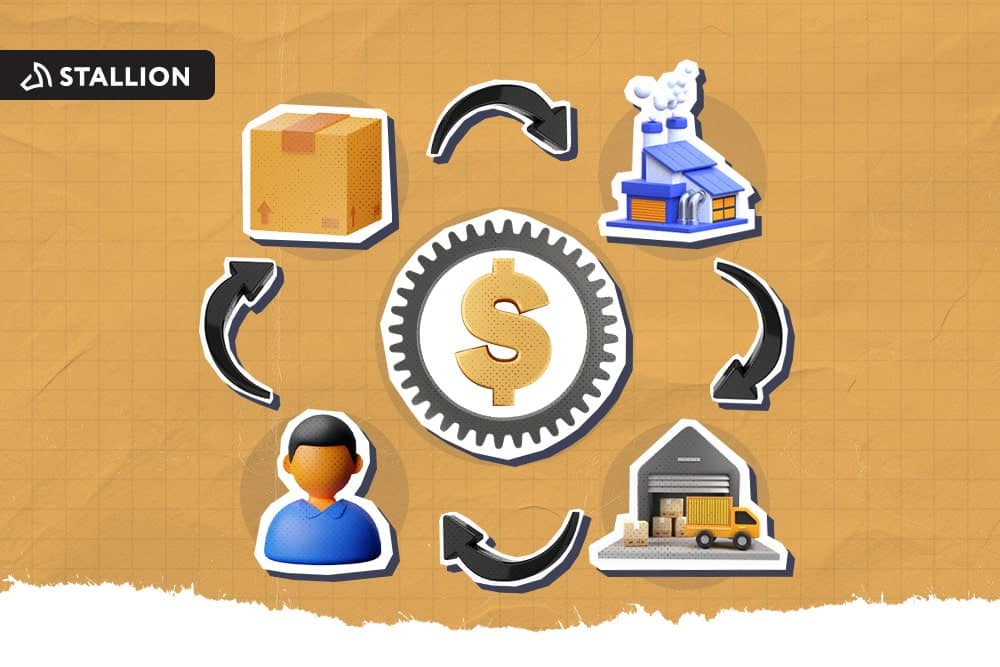
The value chain is a model introduced by Michael Porter in 1985 in his book, Competitive Advantage: Creating and Sustaining Superior Performance. This book breaks down business activities into smaller steps.
Each step adds "value," which either makes your product more attractive to customers or helps reduce costs. For eCommerce sellers, this could include the following aspects:
- Negotiating better supply rates
- Streamlining the fulfillment process
- Enhancing customer support
Understanding Value Chains: How Does It Work
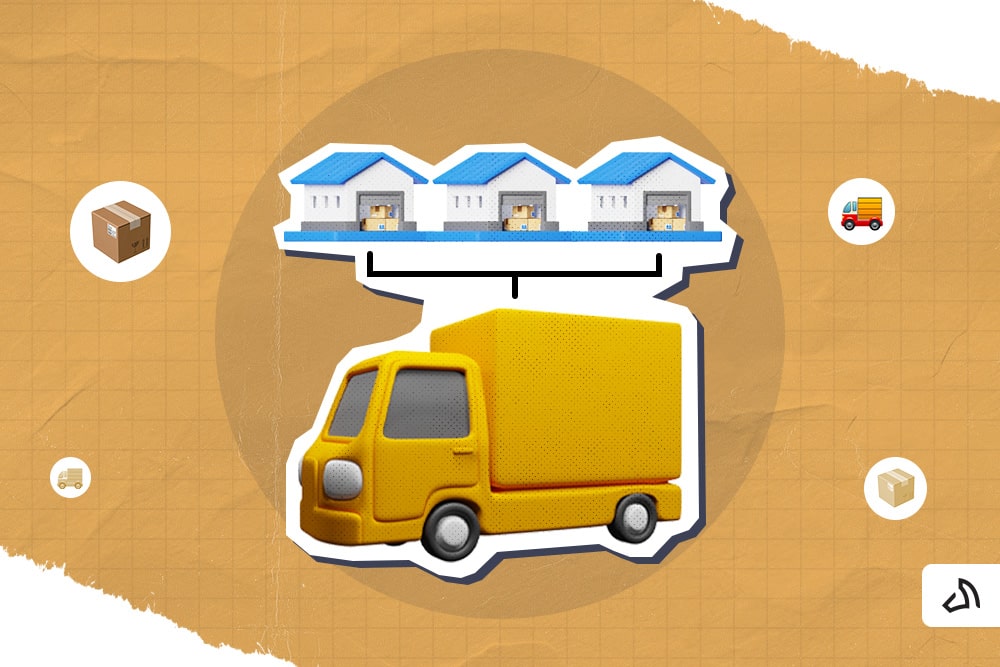
The value chain isn't just a business concept. Again, it's a way to look at how every activity in your business creates value for both you and your customers.
Here are the three main ways the value chain works in practice:
Focus on Value Creation
As mentioned, each activity should contribute to creating value for the customer. It shows you how to deliver more than just products. You will also understand how to align your processes with what your customers truly value.
Example:
Your eco-friendly Shopify store builds value not just by selling sustainable products, but it also aligns fulfillment with customer expectations, such as fast, reliable, and ethical delivery.
The value chain becomes a way to turn customer priorities into business strengths.
Competitive Advantage
A value chain isn't just about operations—it's about doing things better than competitors. It helps you spot where you can outperform other businesses in the same niche. It doesn't matter whether that's faster shipping, better customer service, or lower costs.
Example:
By offering free returns and quick fulfillment, you enhance the customer experience, setting your store apart from competitors with slower and less flexible processes.
When you optimize parts of your chain, you create that edge. The value chain acts as the lever for differentiation.
Strategic Tool
Beyond operations, the value chain serves as a framework that guides smarter business decisions and informs long-term growth strategies. It shows you where to cut costs, where to invest, and how to stay resilient.
Example:
If shipping costs rise, analyzing your value chain can help you identify a partner that lowers logistics expenses. That freed-up capital can then fuel growth initiatives, such as marketing or product innovation.
Here, the value chain isn't just an efficiency tool. It's a roadmap for a more innovative strategy.
In short:
- Value Creation = Delivering what customers care about.
- Competitive Advantage = Doing it better than rivals.
- Strategic Tool = Using the chain to guide smart business moves.
Value Chain vs Supply Chain: What's the Difference Between
People often confuse the value chain with the supply chain, but they're not the same. Going back to the definition, the value chain focuses on how each step of the process provides value for the business and customers.
On the other hand, the supply chain focuses on the movement of goods. The goal is to get the products from point A to point B.
Here are the key differences between the two:
Focus
The supply chain emphasizes the movement of goods. It spans from raw materials to manufacturing, storage, and delivery.
Example:
A Canadian coffee shop importing beans from Brazil will care about its shipping routes, customs clearance, and warehousing. Their priority is making sure beans arrive on time and in good condition.
As for the value chain, it goes through reducing costs, improving product quality, or enhancing customer satisfaction.
Example:
That same coffee shop roasts beans locally, highlights sustainable farming practices, and uses eco-friendly packaging. Customers don't just buy coffee. They buy into the brand's values and experience, which adds value beyond logistics.
Perspective
Supply chain management has an outward focus. It checks the external flow—how materials, products or services, and information move between suppliers, warehouses, and customers.
Example:
A Shopify store selling gadgets from Canada to the US needs to coordinate with suppliers, freight forwarders, and delivery partners. The primary concern: "How do we get these from Canada to the US smoothly?"
Meanwhile, the value chain has an inward focus. It examines how the activities in the value chain contribute to growth and a competitive edge.
Example:
The same store utilizes brand packaging, offers same-day fulfillment through a third-party logistics (3PL) provider, and provides 24/7 customer support. These internal decisions have a direct impact on customer loyalty and long-term business growth.
Score
Supply Chain = Efficiency in Movement. It measures success by how quickly and cost-effectively goods move.
Example:
Amazon Prime's two-day shipping is a win for the supply chain. It's fast, efficient, and reliable.
On the other hand, the value chain measures success by the extent to which you generate customer satisfaction, brand loyalty, or margin growth.
Example:
Apple's product launches aren't just about supply chain efficiency. The design, packaging, marketing, and ecosystem integration all add value that customers are willing to pay a premium for.
Components of A Value Chain Model
Porter's value chain activities have two groups: Primary and Secondary (or support) activities. Both play crucial roles in building value. Let's check each activity for better understanding:
Primary Activities
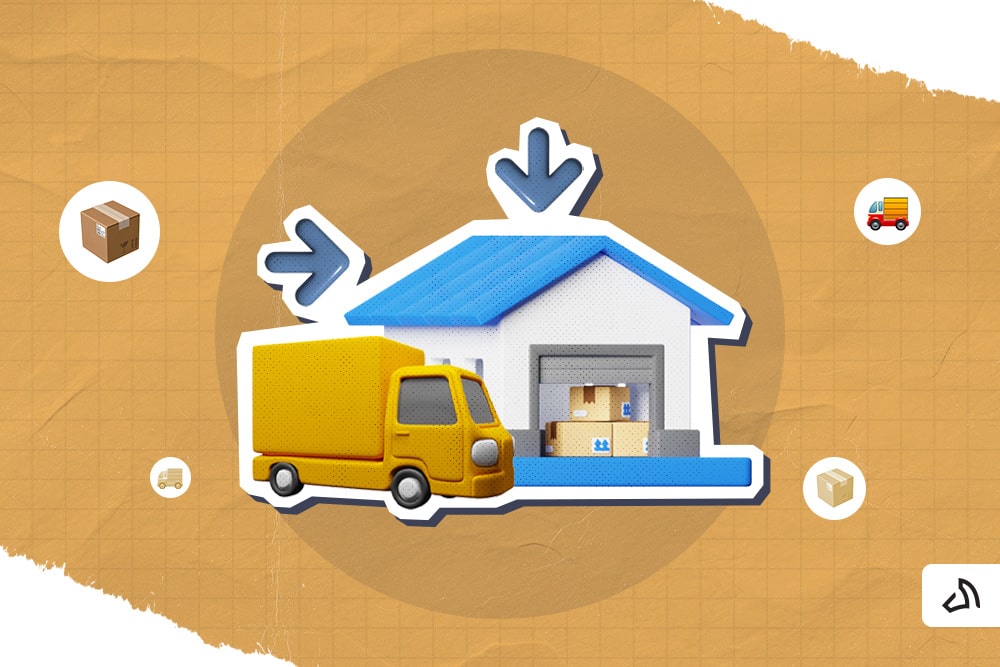
Primary Activities are the main steps of Porter's model that directly touch your product or services. Here are some of them:
- Inbound Logistics. It is the process of receiving and storing inventory. For example, coordinating with suppliers in bringing goods into the country efficiently.
- Operations. It is when you turn inputs into finished goods and services. In eCommerce, this could be product assembly, kitting, or packaging.
- Outbound Logistics. It is the time of getting products to customers quickly and affordably. Your chosen shipping partner plays a crucial role in shipping orders across borders.
- Marketing and Sales. These are activities that attract and convert customers. Some examples would include research and development, online ads and promotions, and email marketing.
- Service. It is everything you do after the sale. It can be returns management, customer support or warranties.
Secondary Activities
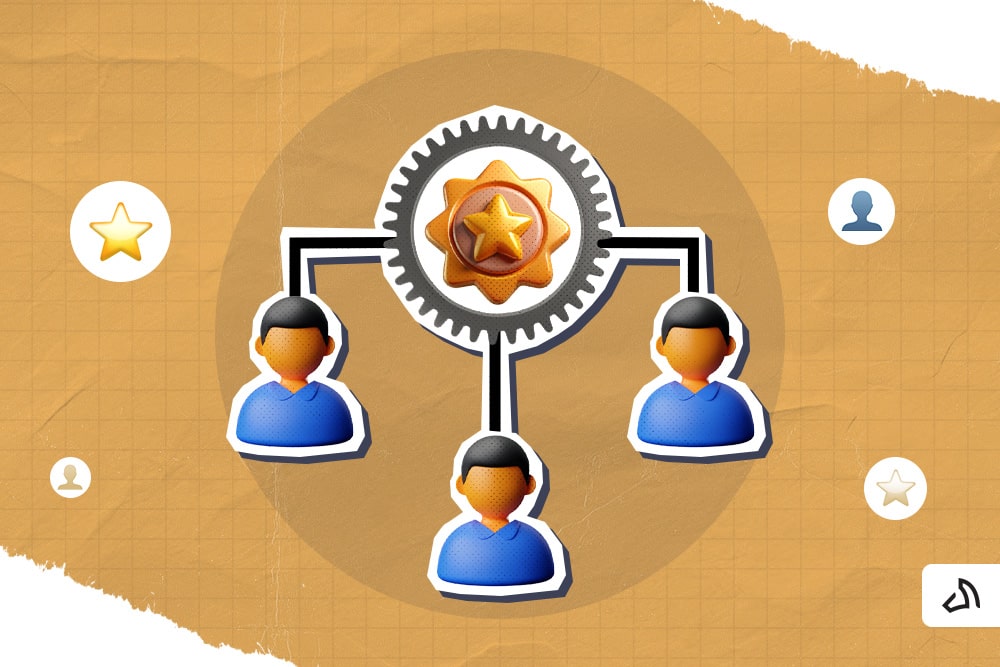
Secondary or support activities complement the primary ones. They ensure the entire system functions more efficiently.
- Firm Infrastructure. It includes management, finance, and planning that keep your business stable.
- Human Resource Management. A group that hires and trains the right people, from customer service reps to warehouse staff.
- Technology Development. Your business requires specialized tools to streamline its operations. Some tools you can use are eCommerce platforms, CRM systems, and AI chatbots.
- Procurement. This section is responsible for identifying suppliers and negotiating deals to maintain cost control without compromising the quality of the final product.
How to Perform A Value Chain Analysis
Here’s a simple process for Canadian eCommerce businesses to analyze their value chain and find growth opportunities:
1. Identify Activities
List out all the steps in your company's value chain, from sourcing to customer support.
2. Determine Value and Cost
Ask yourself: Does this step add value to the customer? Does it help reduce cost? Can it do both? These questions eliminate unnecessary steps that will not benefit your business.
3. Identify Opportunities
To improve, always understand that there's always room to develop in your business. Therefore, spot the areas where you can improve. For example, your shipping costs can still be lower. You can also check if you can expedite your return process.
4. Benchmark Against Competitors
Your competitors are also your biggest teachers. So, look at what others in your niche are doing. If they offer faster delivery, that's a gap you'll want to close.
5. Implement Improvements
Take action by partnering with experts, upgrading systems, or adjusting processes to strengthen your corporate value chain.
Final Thoughts
Remember that your value chain is more than just a business concept. It's the backbone of your strategy. By understanding and improving each part of the chain, you can serve your customers better, reduce costs, and stay competitive in the Canadian eCommerce market.
Turn Your Global Value Chain into a Growth Engine with Stallion
At the end of the day, you don't have to handle every link in the value chain on your own. Stallion is a trusted 3PL solution that helps Canadian eCommerce businesses to:
- Simplify the shipping process
- Reduce fulfillment and shipping costs
- Faster final-mile delivery
- Shipments within Canada and across the world
By letting Stallion manage logistics, you can focus on growing your store and creating value where it matters most.