Finished Goods Inventory: A Guide for Online Businesses
Table of Contents
- Key Takeaways
- What is Finished Goods Inventory?
- FG Meaning and Its Relevance in Inventory Management
- Types of Finished Goods Inventory
- How to Calculate Finished Goods Inventory Formula
- Common Challenges in Finished Goods Inventory Management
- Tips to Optimize Finished Goods Inventory
- Final Thoughts
- Make Managing Finished Goods Inventory Hassle-Free with Stallion's 3PL Solutions
Running an online business is more than just managing sales; it's about building a strong foundation. You also need to handle your stock efficiently. Finished goods inventory plays a significant role in ensuring you meet customer expectations while keeping costs under control.
This guide will walk you through the essentials of finished goods inventory, its challenges, and how to manage it effectively.
Key Takeaways
- Finished goods inventory refers to products ready for sale. It includes items that have completed the entire production process. In short, these are products on shelves or in warehouses waiting to be purchased.
- Understanding what qualifies as finished goods (FG) enables sellers to better classify, manage, and control stock levels.
- Types of finished goods include retail, wholesale, and manufactured.
- Proper calculation and tracking prevent stock issues and excess costs.
- Using software, audits, and demand forecasting improves inventory value and flow.
What is Finished Goods Inventory?
Finished goods inventory refers to products that are entirely manufactured or assembled and are ready for sale to customers. In other words, this means that the items are already packaged, labelled, and stored, waiting for order fulfillment. Unlike raw materials or work-in-progress inventory (WIP inventory), finished goods are immediately market-ready.
FG Meaning and Its Relevance in Inventory Management
In inventory management, you usually deal with three categories: (1) raw materials, (2) work-in-progress, and (3) finished goods. As mentioned, unlike raw materials inventory, finished goods are fully prepared for sale and ready to reach customers.
Now, you may have heard of the term FG. It's just short for finished goods. This term is commonly used in warehouse systems, accounting software, and reports. Understanding this is crucial since it appears in every inventory account, such as:
- The company's balance sheets
- ERP systems
- Fulfillment centre workflows
For eCommerce sellers like you, recognizing this abbreviation helps you stay aligned with logistics teams, accountants and suppliers.
Types of Finished Goods Inventory
FG inventory can vary depending on your business model. Here are the three main types and examples of finished goods for every kind that all online sellers should understand:
Retail Finished Goods
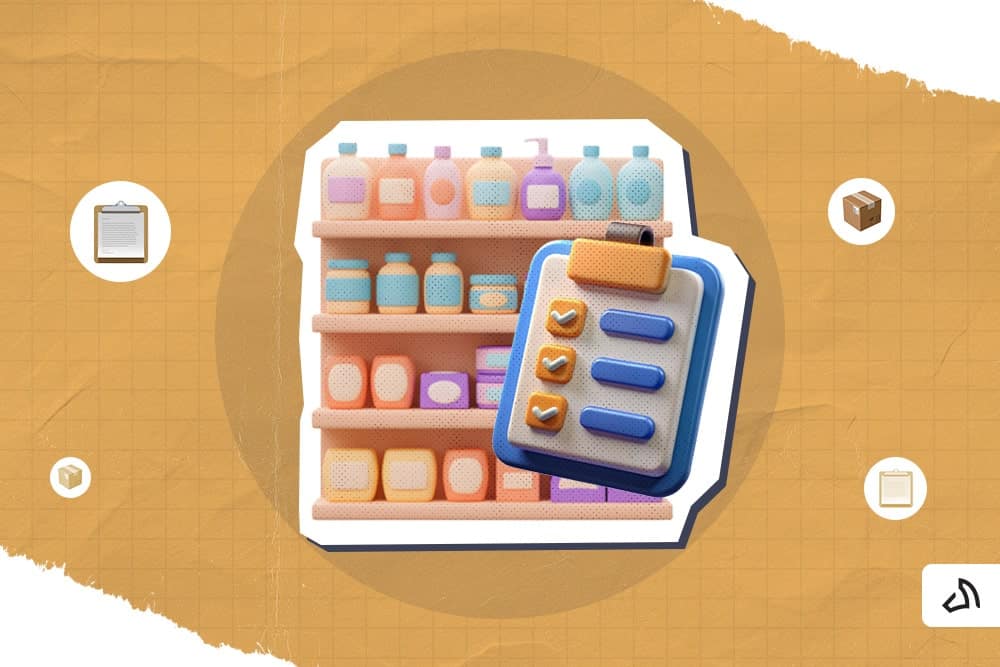
Retail Finished Goods are finished products that go directly to customers through online stores. It may include clothing, gadgets, or home essentials, among others, stocked in a fulfillment centre.
Example:
A Toronto-based Shopify seller stocks eco-friendly water bottles in a warehouse. Each time a customer orders online, the shipping company ships the bottle directly to their doorstep.
Wholesale Finished Goods
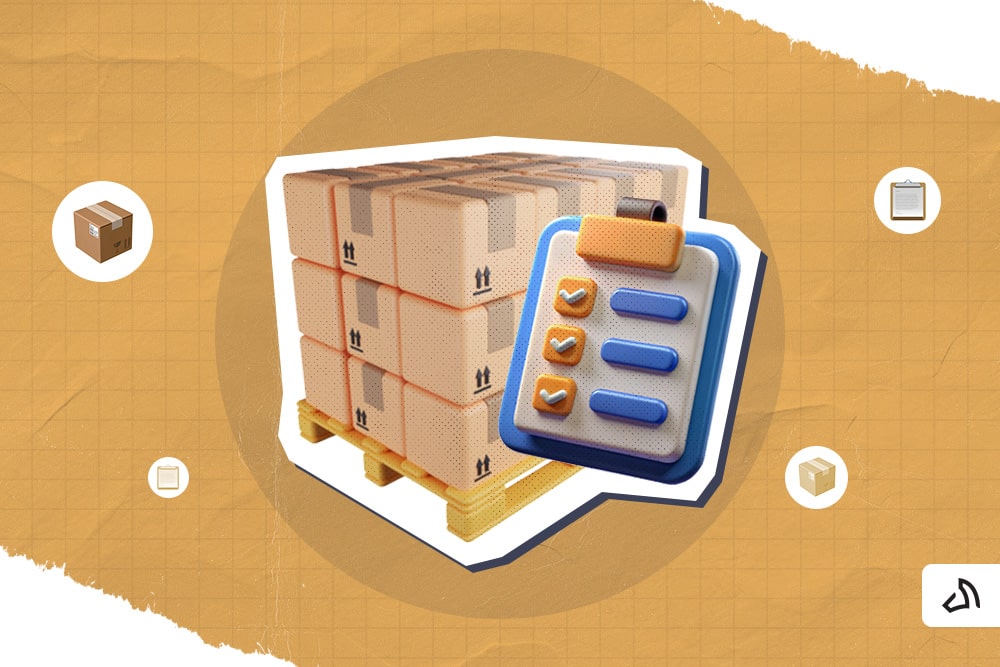
Wholesale Finished Goods are products that retailers or distributors buy in bulk. If you sell large quantities to other stores, your stock counts as final products.
Example:
A cosmetics brand supplies boxes of skincare products to nationwide retailers like Shoppers Drug Mart. However, they don't ship to customers individually. Instead, they move pallets of finished goods to distribution centres. Then, the distribution centres will ship the items to the retailers or customers.
Read More: Palletized Shipping Explained: A Complete Guide for Businesses
Manufactured Finished Goods
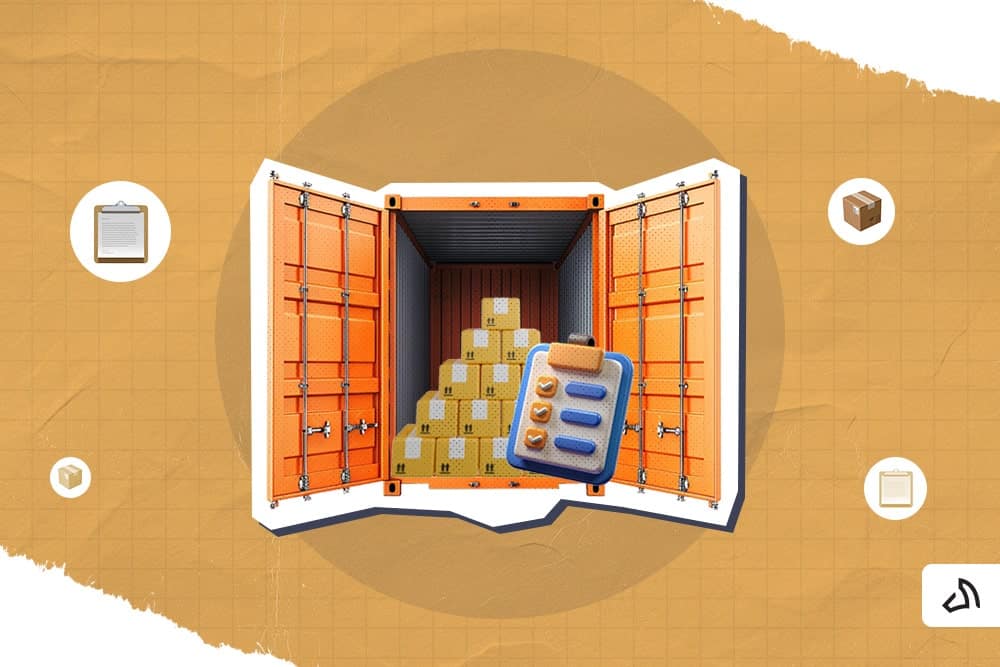
These products come from your own production or assembly. Think of it this way: if you run a brand that makes handmade furniture, your inventory counts as manufactured goods.
Example:
A small woodworking shop in Vancouver produces custom wooden chairs. It goes through the usual manufacturing process. Once completed, the shop stores them as finished goods until an order comes in from their online store or a bulk buyer.
How to Calculate Finished Goods Inventory Formula
You need accurate numbers to manage inventory effectively. Calculate your finished goods inventory using this formula:
Finished Goods Inventory = Beginning Inventory + Cost of Goods Manufactured – Cost of Goods Sold
This finished goods formula gives you a snapshot of available stock at the end of an accounting period. When you calculate this regularly, you prevent overstocking and fulfill orders on time.
Example:
Let's say you run an online apparel store in Canada. At the start of the month, you have 500 jackets in stock (Beginning Inventory or Beginning Finished Goods Inventory). During the month, you manufacture or purchase another 300 jackets (Cost of Goods Manufactured). You then sell 600 jackets (Cost of Goods Sold).
Finished Goods Inventory = 500 + 300 – 600 = 200 jackets remaining
By calculating the finished goods inventory value, you can precisely determine how many jackets remain to fulfill future orders and when to restock.
Common Challenges in Finished Goods Inventory Management
Managing finished goods and inventory levels comes with hurdles. Here are the key challenges that can affect profitability and efficiency:
Overstock and Understock Risks
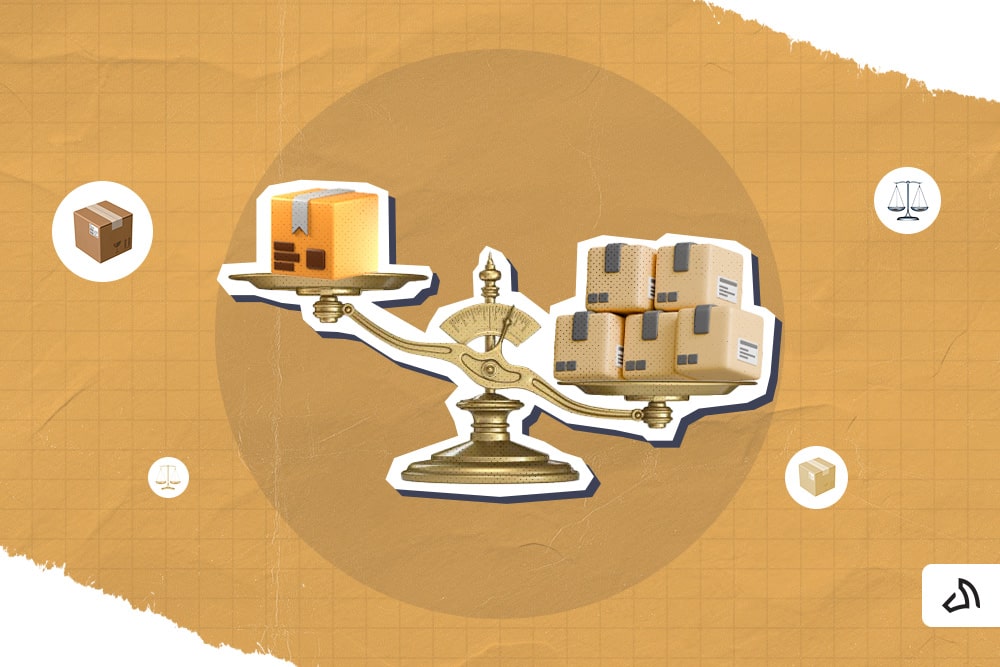
Overstocking and understocking are among the most common challenges in inventory management. If you stock too many inventory items, you pay higher storage costs. If you stock too few, you lose sales. Without proper forecasting, finding the balance becomes difficult.
Similar Read: Deadstock: What Is It, Examples, and How to Avoid It
Poor Forecasting and Data Accuracy

Demand miscalculations can happen, and it's understandable. However, this does not exempt you from its consequences. When this happens, you either end up with excess stock or miss opportunities to sell.
Without real-time data, it becomes harder to determine your finished goods inventory and keep numbers accurate. Poor forecasting and data inaccuracy pose one of the most significant risks businesses face in managing inventory.
Storage Inefficiencies and Outdated Systems
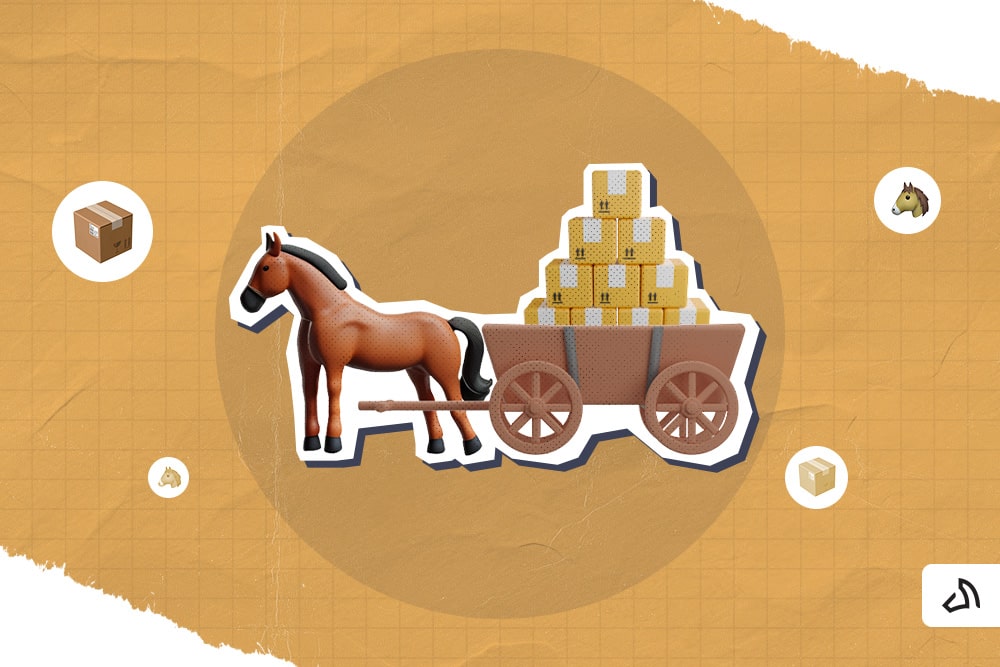
When you rely on outdated tools or manual spreadsheets instead of modern inventory management systems, operations slow down. Poor warehouse organization and weak tracking systems further increase costs and errors.
Tips to Optimize Finished Goods Inventory
You can streamline finished goods inventory with the right strategies. Here are the ways you can optimize FG inventory:
Use Inventory Management Software
Adopt Enterprise Resource Planning (ERP) systems. It's a software that connects and streamlines different business processes, such as accounting, purchasing, and inventory. You can also use eCommerce integrations to track inventory levels and reduce errors.
Audit Inventory Regularly
Run frequent audits to confirm your records match actual stock. By catching discrepancies early, you keep reports accurate and ensure healthy inventory turnover.
Integrate Demand Forecasting
Use past sales and seasonal trends to predict future demand. Accurate forecasting helps you avoid overstocking or stockouts.
Align Inventory with Marketing and Sales Planning
Sync your inventory to ensure alignment with promotions, product launches, and seasonal campaigns.
For example:
Preparing stock ahead of holiday sales or back-to-school season helps you improve fulfillment speed and boost customer satisfaction.
Final Thoughts
Canadian online sellers need strong finished goods inventory management to stay competitive. You keep the supply chain running smoothly while maintaining fulfillment efficiency and costs under control when you:
- Understand the FG meaning
- Identify your inventory types
- Calculate stock properly
In the bigger picture, effective finished goods management reduces delays and improves customer satisfaction. It also ensures every part of the supply chain works in sync for sustainable growth.
Make Managing Finished Goods Inventory Hassle-Free with Stallion's 3PL Solutions

At Stallion, we go beyond shipping. Our 3PL team helps Canadian eCommerce businesses manage what finished goods inventory would typically demand:
- Storage
- Picking and Packing
- Cheapest shipping within Canada and internationally
With that, you can cut costs, save time, and focus on growing your brand.
Ready to simplify your inventory and fulfillment? Partner with Stallion today and ship smarter with a trusted 3PL by your side.