Palletized Shipping Explained: A Complete Guide for Businesses
Table of Contents
Shipping isn't just about getting a box from Point A to Point B. It's about finding the most efficient, cost-effective, and safe way to move your products. One way to do it is through palletized shipping.
In this guide, we'll break down the following:
- What it is
- The types of pallets you can use
- How the process works
- Why it can save your business time and money
Key Takeaways
- Pallet shipping is the stacking, securing, and transporting of goods on a pallet. Instead of shipping items individually, the shipping company groups multiple boxes or products together on a pallet, then wraps and secures them with straps for stability.
- Palletized shipping offers a safe and efficient solution for moving goods in bulk.
- This method saves costs, reduces manual handling, and enhances shipment visibility.
What is Pallet Shipping
Pallet shipping means stacking your products onto a pallet, securing them, and sending them as one single shipment. Instead of dealing with dozens of boxes, you're essentially moving one organized load.
This method is widely used in the freight shipping industry. It makes shipping freight handling easier for carriers and keeps your items safer during transit.
What is the Difference Between a Pallet and a Skid?
While people often use the terms “pallet” and “skid” interchangeably, they’re not exactly the same thing. The main difference comes down to their structure and stability. Here’s a quick comparison:
| Feature | Pallet | Skid |
| Structure | Has both a top and a bottom deck | Has only a top deck (no bottom one) |
| Stability | More stable and easier to stack | Less stable, not ideal for stacking |
| Common Use | Standard for modern shipping, warehousing, and logistics | Often used for storage, displays, and moving heavy equipment |
| Mobility | Best for forklifts and pallet jacks | Easier to drag but less forklift-friendly |
| Durability | Stronger and built for repeated use | Lighter and may wear down faster |
Types of Pallets
Not all pallets are the same. The type you use depends on your shipment's weight, fragility, and destination. Let's break down the main options:
Wood Pallets

Standard wood pallets are the most common and affordable option. They're sturdy, easy to find, and work for most shipments. However, they can be heavier and more difficult to sanitize. So, it isn't always ideal for food or sensitive products.
Plastic Pallets

Plastic pallets are lighter and easier to clean. Industries, such as pharmaceuticals or food, often use this type of pallet because they can easily meet strict hygiene standards. Unlike wood, plastic pallets don't absorb moisture, harbour bacteria, or splinter. So, it is ideal for handling sensitive or perishable products. The downside is that they usually cost more than wood pallets.
Metal Pallets
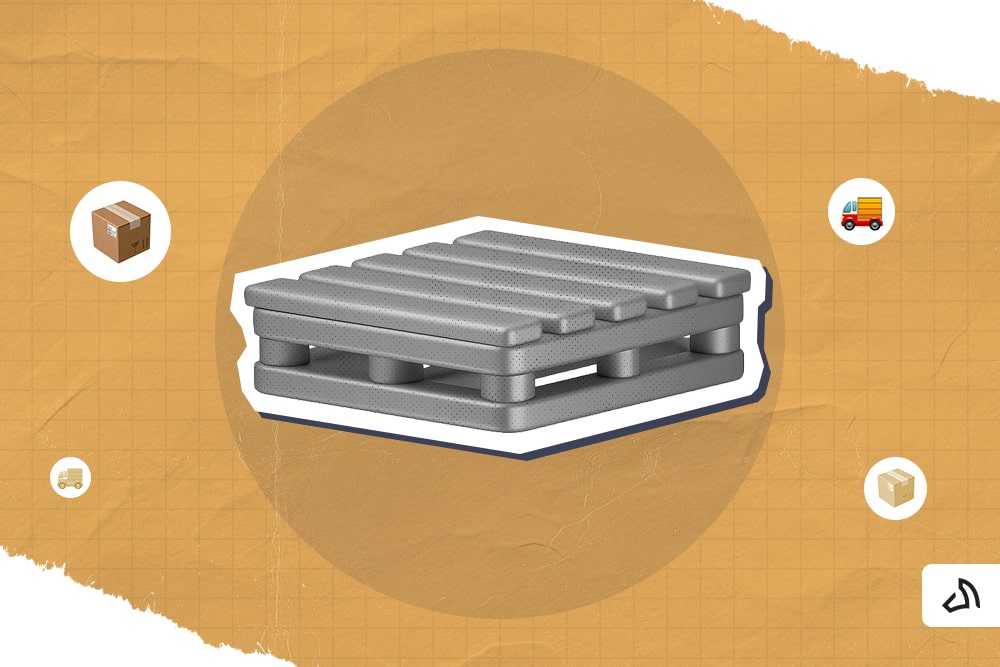
Metal pallets are heavy-duty and designed for extremely large or valuable shipments. They're durable, long-lasting, and resistant to weather. However, they come with a higher price tag and aren't always necessary for everyday shipping.
How Much Do Palletized Shipping Rates Cost?
The shipping cost of freight pallet shipping varies based on weight, size, distance, and the type of service you choose.
For example:
Let's say you're a business sending 10 boxes of home décor items to New York. If shipped individually, each box might cost CAD 35 -50, totalling around CAD 350-500 per pallet.
By palletizing, those same boxes could move as one organized load at a bulk LTL (less than truckload) freight rate. Recent estimates show a Toronto → New York shipment for one 500-lb (226 kg) at CAD 324. That's a savings of roughly 20-40% compared to sending boxes separately, plus a lower risk of damage.
Even within Canada, pallet shipping proves cost-effective. For example:
- Toronto → Montreal: ≈ CAD $143
- Toronto → Winnipeg: ≈ CAD $158
- Toronto → Whistler, BC: ≈ CAD $284
These examples highlight why many businesses rely on pallet shipping for larger orders. It's safer, more efficient, and adds up to significant savings over time for LTL freight.
Step-by-Step Process of Shipping A Pallet
For a shipper, shipping a pallet may sound intimidating at first. But once you understand the shipping process, it becomes straightforward. Here's a simple step-by-step guide that shows how pallet shipping works:
1. Pack and Choose A Pallet
Start by packing your products in sturdy boxes. Then, choose the right pallet type for your shipment. You can select either the ones mentioned above or the standard pallet size of 40 inches x 48 inches, commonly used with a GMA pallet.
A GMA pallet is the most common pallet type used in North America. Its design follows the standards set by the Grocery Manufacturers Association (GMA), making it compatible with most warehouses, trucks, and material-handling equipment.
2. Load the Pallet
As you stack boxes on the pallets, make sure they are even. Place the heaviest items at the bottom to maintain a balanced load. The deck boards should also support the weight of the pallet to avoid shifting or damage during transit.
3. Secure the Load
Use stretch wrap, straps, or bands to tightly secure the load to the pallet so nothing shifts in transit.
4. Create Palletized Shipping Labels Clearly
Make sure the shipping labels are large, easy to read, and placed on multiple sides of the pallet. It helps carriers like Stallion, UPS, or FedEx Freight process palletized shipments quickly and accurately.
5. Book the Shipment
Once everything is ready, book your pallet shipment with your carrier or 3PL partner, and you're all set.
Advantages of Palletized Shipping
So why ship pallets instead of sending each parcel individually? Here are some of its biggest benefits:
Cost-Effective
When you use pallets, it's easier to consolidate multiple boxes into one shipment. As a result, it lowers your overall shipping costs, making it a smarter shipping option for businesses.
Reduced Handling and Labour Costs
Less handling means fewer chances of human error and reduced labour during loading and unloading on both ends.
Increased Protection
With secure stacking and wrapping, you can protect your goods during transport in a much better way. It's the most reliable way to ship larger orders.
Simplified Tracking
Instead of tracking multiple boxes, you're tracking one pallet shipment, similar to a truckload, making it easier to monitor.
Maximized Space
Carriers can load a pallet that's packed efficiently, which often speeds up delivery and improves logistics.
Final Thoughts
Pallet shipping is one of the most reliable shipping solutions for moving products in bulk. Whether you're sending retail goods, equipment, or fragile items, the benefits of cost savings, efficiency, and added protection make it worth considering.
From Pallets to Parcels—Stallion's Got You Covered
At Stallion, we're more than just a shipping service—we're a full 3PL company.
We don't just handle your parcels; we also offer fulfillment, warehousing, and eCommerce solutions. Stallion is here to help Canadian businesses grow!
Whether you're moving a single pallet across the border or managing hundreds of parcels each week, Stallion can simplify your logistics through our:
- Fulfillment tools
- Carrier partnerships
- Overall support
From pallets to parcels, we've got you covered—making us the best option if you're shipping across Canada, to the US, and internationally.
Grow your business with confidence. Let Stallion handle your shipping and fulfillment so you can focus on what matters most.