Difference Between Cargo Vs Shipment: A Simple Guide for Sellers
Many eCommerce businesses in Canada interchange cargo vs shipment more times than you can count. But are they actually the same thing?
This simple guide breaks down the differences between cargo and shipment. Not only that, but we will also discuss the types of each and how Canadian sellers like you can simplify your shipping strategy.
Key Takeaways
- Cargo typically refers to the goods themselves in bulk or freight form.
- Shipment is the transportation of goods from one place to another.
- Understanding both terms helps online sellers streamline logistics and avoid costly misunderstandings.
What is Cargo?
Cargo refers to the actual goods you are shipping. It could be anything, including (but not limited to):
- Raw materials for your products
- Large boxes of inventory which are heading to the warehouse
- Temperature-sensitive goods like food or cosmetics
If you think of shipping as a process, cargo is "what" you're moving from point A to point B. It's the physical goods that make your business tick.
Types of Cargo
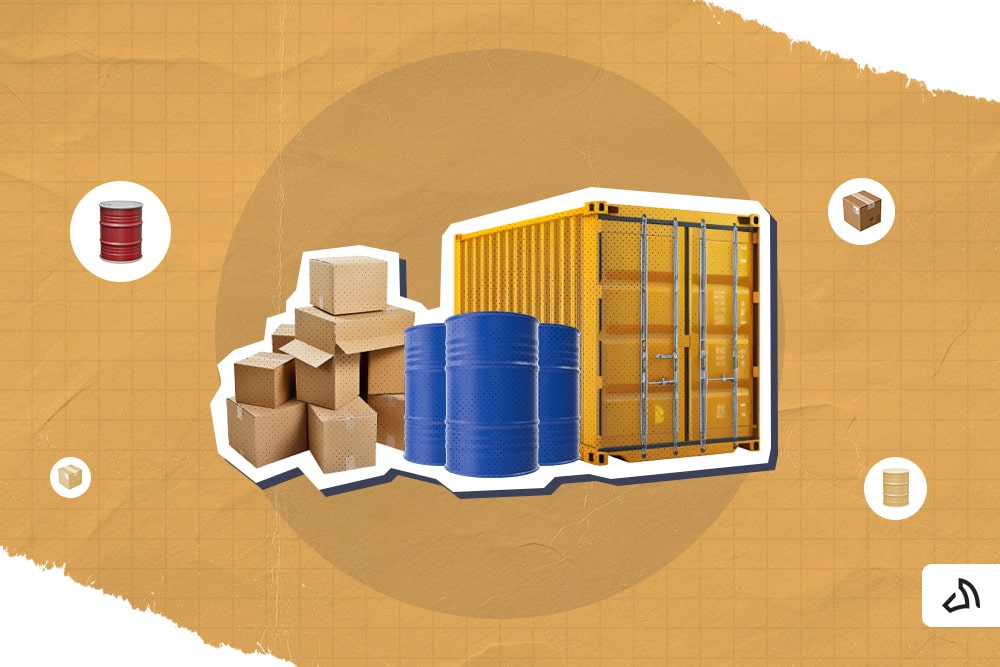
Here's a quick breakdown of the main types of cargo eCommerce sellers might encounter:
- General Cargo. These are items that are packed individually and ready to go for transport, like electronics or clothing.
- Bulk Cargo. They are loose items, like grains or oil, that don't come in individual boxes.
- Raw Materials. Base items to create a certain product, such as lumber, metals, or fabric.
- Hazardous Materials. Anything dangerous, like batteries, chemicals, or flammable items.
- Perishable Goods. Food, flowers, or anything else that can spoil if it’s not handled properly.
What is a Shipment?
A shipment is the process of moving your cargo. It includes certain steps, such as:
- Packing products up
- Choosing a carrier or cargo ship
- Arranging them for transport
- Filling out any documents
- Tracking it until it gets where it's going
In short, it's the "how" of getting your goods delivered.
Types of Shipment
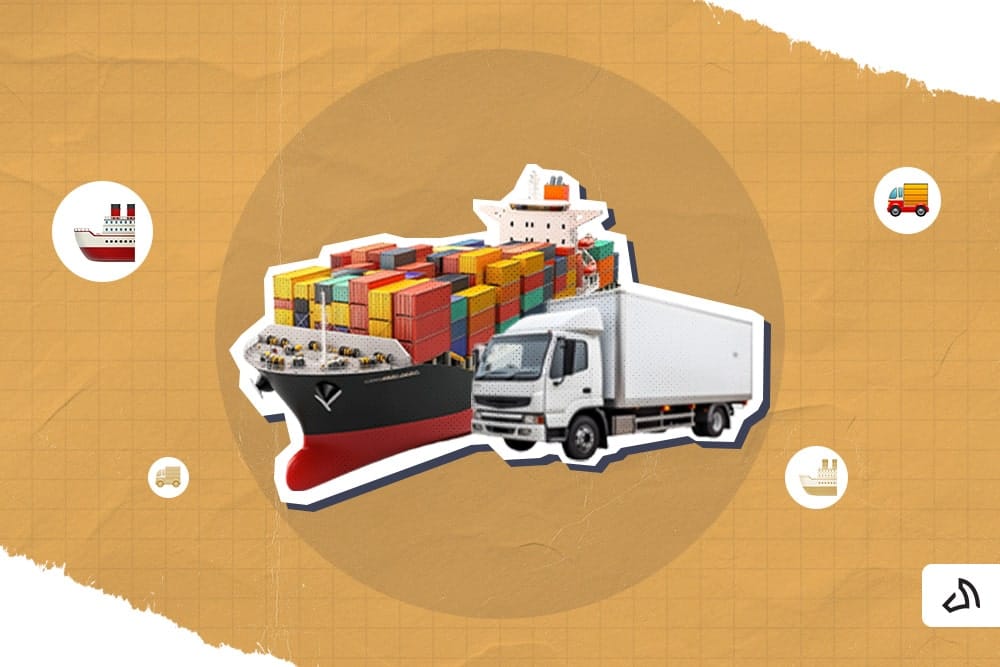
When it comes to getting your products from one location to another, not all shipments are the same. Depending on what you're sending and where it's going, there are different shipment types to consider.
Here's a quick breakdown to help you choose the right one for your business:
Parcel Delivery
Parcel delivery is the most common type for online sellers. It covers small, lightweight packages with goods being transported through carriers, such as Canada Post, FedEx, or UPS. This typically includes individual customer orders.
It’s usually fast, reliable, and easy to track. If you’re shipping orders daily from your store, you’re likely using this mode of transportation most of the time.
Full Truckload (FTL)
FTL means your shipment takes up the entire truck. It’s ideal for large orders or bulk inventory restocks where you need the whole truck to yourself. It’s faster than sharing space with others and often more secure since your goods aren’t being handled multiple times along the route.
Less Than Truckload (LTL)
LTL shipping is when your shipment shares truck space with cargo from other businesses. It’s a great, cost-effective option if you don’t have enough goods to fill a truck on your own. It can be slower than FTL because the truck makes multiple stops. However, it's ideal for medium-sized shipments that don't need express delivery.
Freight
It is for larger, heavier shipments that can't go through standard parcel services. If you're importing or exporting large quantities of product, you'll be working with cargo and freight services. This includes options like air freight for faster delivery.
In many cases, freight forwarding helps coordinate the entire process, making shipping more efficient and manageable.
Intermodal
Intermodal shipping uses more than one mode of transport to move goods. Simply put, it's like a combination of rail and truck. It's an efficient, cost-saving method for longer distances, especially when moving shipments across provinces or international borders.
It also helps reduce handling and can be more environmentally friendly.
Also Read: Types of Shipping Methods in Canada
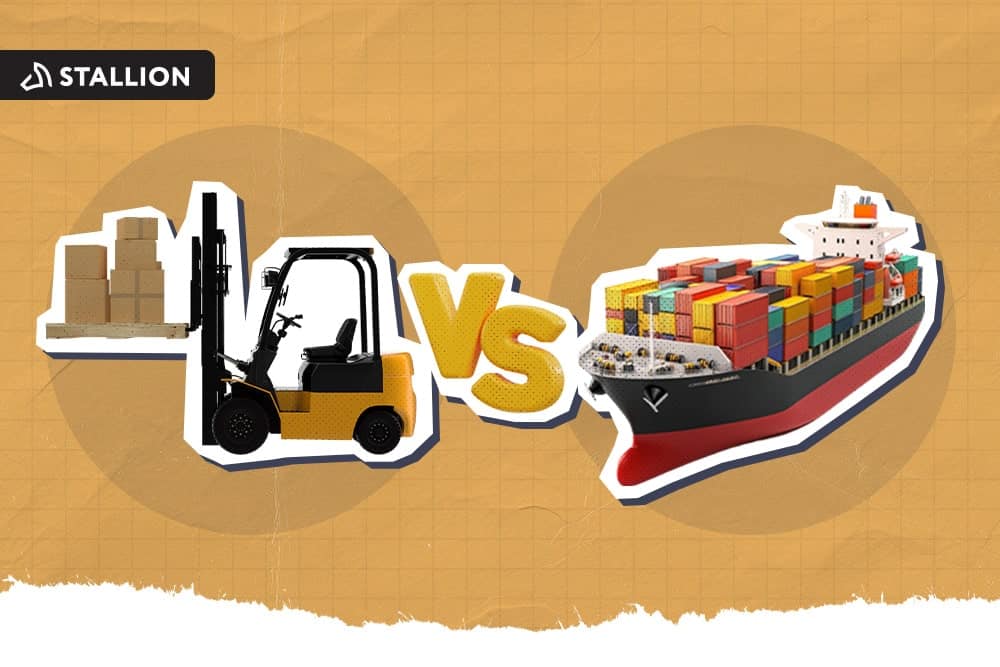
Key Differences Between Cargo and Shipment
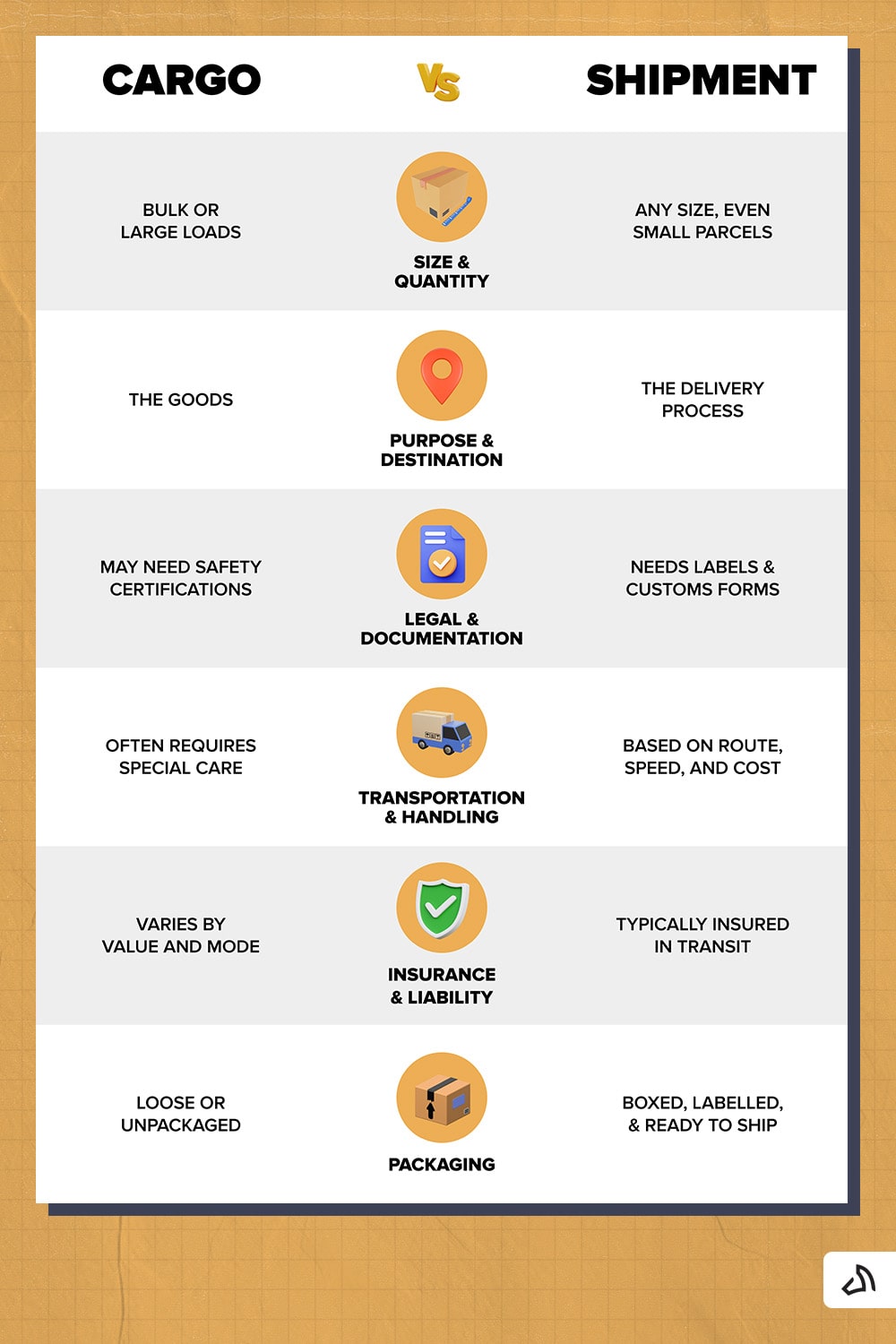
Not sure whether to call it cargo or a shipment? This quick guide on shipment vs cargo will help you understand the difference and know when to use each term.
Size and Quantity
The size and quantity highlight the key difference between shipment and cargo. Cargo typically refers to large-scale or bulk goods, like crates, pallets, or containers. On the other hand, a shipment can be of any size, from a single package to a full truckload.
Read More: Crating for Shipping: Tips to Keep Your Packages Safe in Transit
Purpose and Destination
Cargo is the actual goods or merchandise being transported. Meanwhile, shipment refers to the act of sending those goods from point A to point B within the supply chain.
Legal and Documentation
Both need some paperwork to be processed. Shipments require shipping labels and customs forms as part of proper shipment management. Cargo needs safety or handling certificates, depending on what you're shipping.
Transportation and Handling
Cargo requires special handling as part of effective cargo management. Shipments, on the other hand, are planned based on timing, location, and cost.
Insurance and Liability
Since issues are common in any action of shipping, shipments are usually insured during transit. Meanwhile, cargo insurance depends on how valuable the set of goods is and how they're being moved.
Packaging
Cargo can be loose or bulk. Shipments are usually packed, labelled, and ready to go to the customer.
Final Thoughts
If you're selling online in Canada, knowing the difference between cargo and shipment isn’t just a "nice-to-know"—it’s essential. It helps you pick the right services, manage costs better, and make sure your packages show up where and when they’re supposed to.
Confused About Cargo Vs Shipment? Let Stallion Simplify It for You
Shipping doesn't have to be a pain. As a trusted 3PL company, Stallion helps Canadian online sellers like you make sense of it all.
Whether you're sending orders within Canada or managing large freight going to the US, we've got your back—with solutions designed to boost customer satisfaction at every step.
We provide:
- Affordable rates
- Smooth logistics process
- Full tracking
Let us take the shipping stress off your plate—get started with Stallion today.