Crating for Shipping: Tips to Keep Your Packages Safe in Transit
Table of Contents
When it comes to shipping fragile, oversized, or high-value items, regular boxes don't always cut it. Sometimes, crating for shipping is your best possible solution. Let's break down what it means, when to use it, and why it's often the smarter option for specific shipments.
Key Takeaways
- Crates are sturdy containers typically made of wood, plywood, or plastic.
- In shipping, crating refers to the process of packing goods inside a crate to protect them during transit. It offers long-term savings and compliance for international shipping.
- Different crate types work best for different shipping needs.
- You can DIY crating or hire professionals for maximum security.
- Proper packing steps ensure safety during transit.
What is Crate Shipping
Crating shipping is a type of packaging service that packs items inside a sturdy crate. You can often see them placed on a pallet for easier handling before sending them out. Packaging solutions usually do this on-site to provide stronger protection than standard cardboard boxes, especially for fragile items, oversized ones, or those going overseas.
Types of Shipping Crates
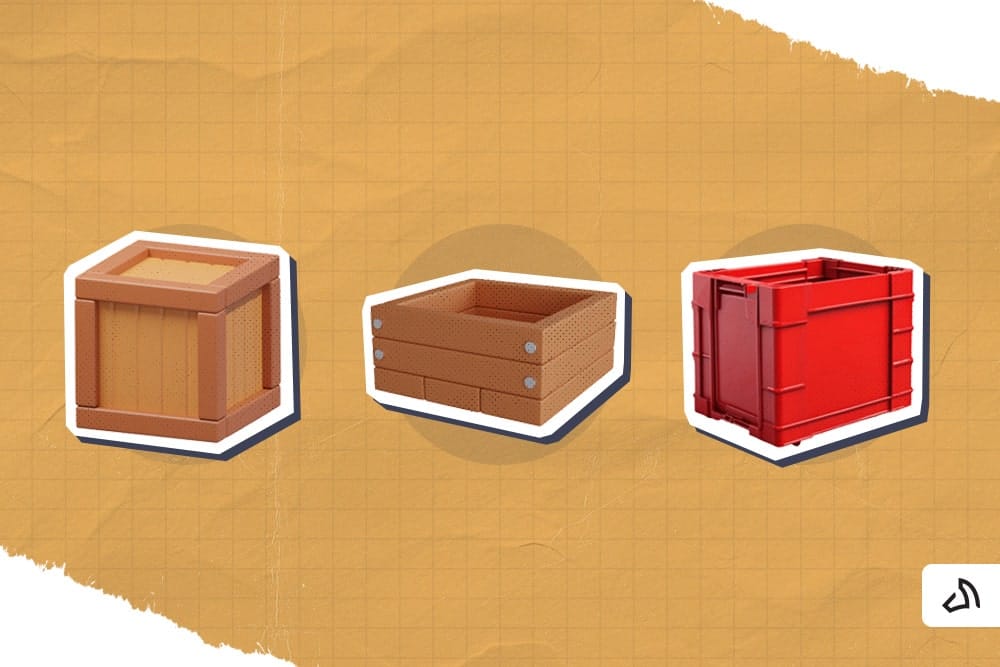
Remember: not all crates are the same. Depending on your item and shipping requirements, you'll want to choose the right type. Here are some of the most common options:
Closed Wooden Crates
From the name itself, these are fully enclosed wooden shipping crates that provide maximum protection. They're a go-to for delicate or valuable items that need to stay safe from external elements.
Frame Crates
Frame crates are open structures made with a sturdy wooden frame. They're ideal for large items that need support but don't need a full enclosure.
Plywood Crates
Plywood crates are lighter and more cost-effective compared to the initially mentioned ones. But they are strong enough for many shipments without being as heavy as solid wood crates.
Heavy-Duty Shipping Cases
These crates are ideal for extremely heavy or bulky shipments. Think machinery, equipment, or large industrial parts.
Plastic Crates
Plastic crates are reusable and resistant to water damage. They're commonly used for items that need consistent shipping protection over time.
Custom Crates
Custom crating services build crates that match the shape, size, and weight of your item. They're perfect for oddly shaped or uniquely fragile products that don't fit into standard designs. With customization, you receive the best protection possible because the crate fits precisely to your shipment's needs.
Should You Use Crate Shipping
Crating isn't always necessary for every package, but there are certain situations where it makes all the difference.
When to Use Crates for Shipping
When is the best time to use it? Here are the most common scenarios where crates are the smarter choice:
- Fragile. Are you shipping glass, artwork, electronics, or anything that can easily break? Crates add a much-needed layer of protection.
- Heavy or Bulky. Heavy-duty crates secure larger items better than standard boxes. It will only crush or tear through these types of packaging materials.
- High-Value. When your shipment is expensive or irreplaceable, crates help minimize theft and damage risks.
- International Shipments. Overseas deliveries are subject to compliance standards. Crates ensure your package passes these standards and provides better security throughout the long journey.
- Oddly Shaped. Sometimes, your item might not fit neatly into standard boxes. You can have a custom crate built to match its shape for safe transport.
DIY vs. Professional Crating Services: Which One Should You Use

When it comes to crating, you have two main options: (1) do it yourself, or (2) let the professionals handle it. Here's a quick comparison to help you choose the best option.
| Aspect | DIY Crating | Expert Crating and Shipping |
| Cost | Lower upfront cost | Higher upfront cost |
| Best For | Small, low-value, or less delicate items | Valuable, heavy, delicate, or international items |
| Skill Required | Basic tools and knowledge | Industry expertise and proper techniques |
| Customization | Limited to your abilities/materials | Fully tailored to item size, shape, and weight |
| Reliability | May not meet shipping standards | Meets safety and compliance |
How to Pack and Ship a Crated Item
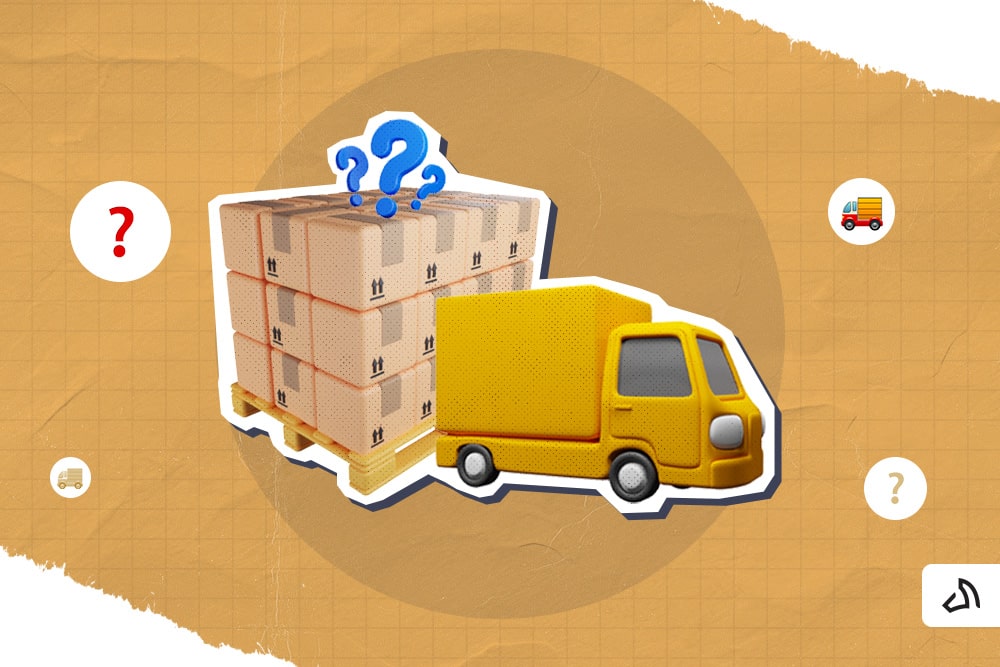
Even with the right crate, how you pack your items makes all the difference. Follow these steps to keep everything secure:
- Choose the Right Crate. Pick a crate that matches the size, weight, and fragility of your item.
- Add Cushioning. Use foam, bubble wrap, or padding to protect your shipment from damage due to bumps.
- Place Items Strategically. Position items so they won’t shift during transport.
- Secure Items. Straps, ties, or braces help hold items firmly in place.
- Fill Empty Space. Add packing materials to avoid movement inside the crate.
- Seal and Label. Make sure the crate is properly sealed and clearly labelled for handling.
Benefits of Crating for Shipping
So, why go through the effort of crating? Here are the biggest advantages:
- Superior Protection. Crates shield items from shocks, drops, and rough handling better than standard boxes.
- Enhanced Security. Sealed crates are harder to tamper with, reducing theft risks during transit.
- Customization for Any Item. They can accommodate all sizes and shapes, making them versatile for various shipments.
- Compliance with Regulations. Many international shipments require specific packaging standards, and crates often meet those requirements.
- Efficient Storage and Handling. It stacks neatly, making storage and transport easier compared to irregularly packed boxes.
- Long-Term Cost Savings. Although crates can cost more upfront, they reduce the risks of damage and replacement costs over time.
- Environmental Considerations. Reusable crates, especially plastic and durable wooden ones, reduce waste compared to disposable packaging.
Final Thoughts
Crating for shipping is one of the most innovative ways to protect delicate, valuable, or oversized shipments. From extra security to long-term savings, it’s worth considering when the safety of your package matters most.
Let Stallion Be Your Packing and Shipping Services Partner

At Stallion, we understand that shipping can be stressful, especially when your items need more than a standard box. As your trusted 3PL partner, we're committed to ensuring the safe delivery of your packages through our shipping solutions.
We offer:
- Reliable shipping solutions across Canada, the US border, and internationally
- Access to major carriers with discounted shipping rates
- Seamless integration with Shopify, Amazon, eBay, and more.
- Hassle-free customs clearance support
- Flexible solutions that grow with your business, from startups to enterprise sellers.
- Dedicated team to assist with logistics challenges and shipping questions.
Partner with us today and make shipping simpler, safer, and smarter.