Shipping to Canada
Save up to 50%

Shipping to the U.S.
Save up to 75%

Shipping Internationally
Save up to 85%

Same Day Delivery
Across the GTA

Returns
Lowest rate on the market
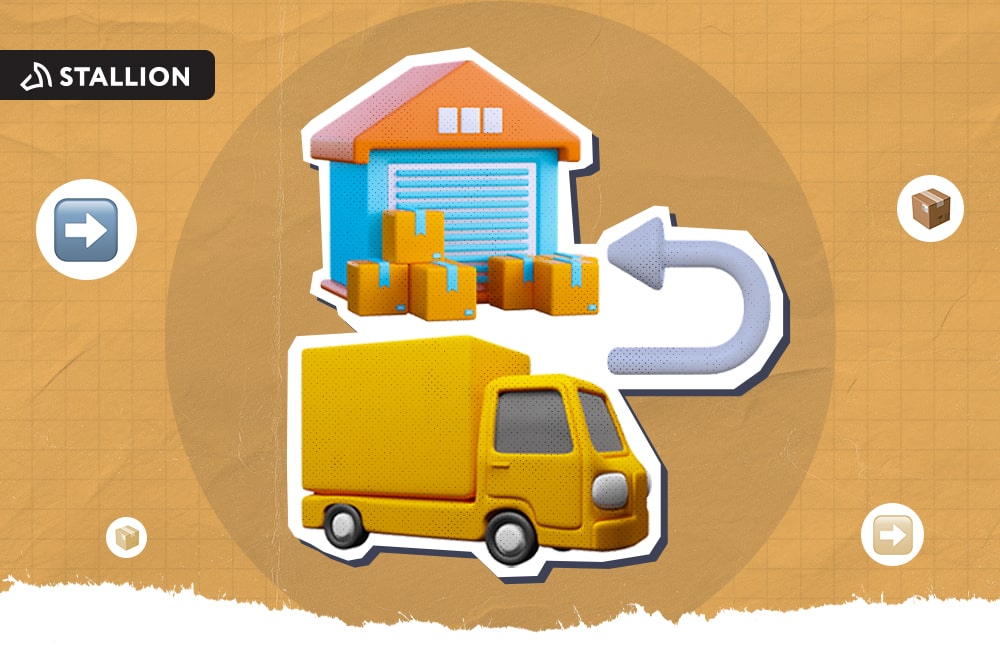
Have you ever wondered what happens after a customer returns a product? When the package doesn't quite reach its destination? Reverse logistics plays a vital role in modern supply chains, particularly as eCommerce and sustainability continue to gain importance.
This guide covers everything you need to know: what it means, why it's essential, and how it can help your business run smoothly and save money.
Reverse logistics refers to the process of returning goods from customers back to the seller or manufacturer. The reason for sending back items can vary, but the most common ones are for repair, recycling, or disposal.
To understand it better, it's essential to see it as more than just "handling returns." It's a systematic process that supports sustainability and customer satisfaction. Think of it as the "return trip" in your supply chain. It includes all operations related to product returns, recalls, refurbishments, and end-of-life management.
Reverse logistics isn't just a cost-saving measure. You can also see it as a strategic approach to long-term business growth. Many businesses utilize reverse logistics to:
It also enables better inventory management and reduces unnecessary waste, contributing to a more sustainable supply chain.
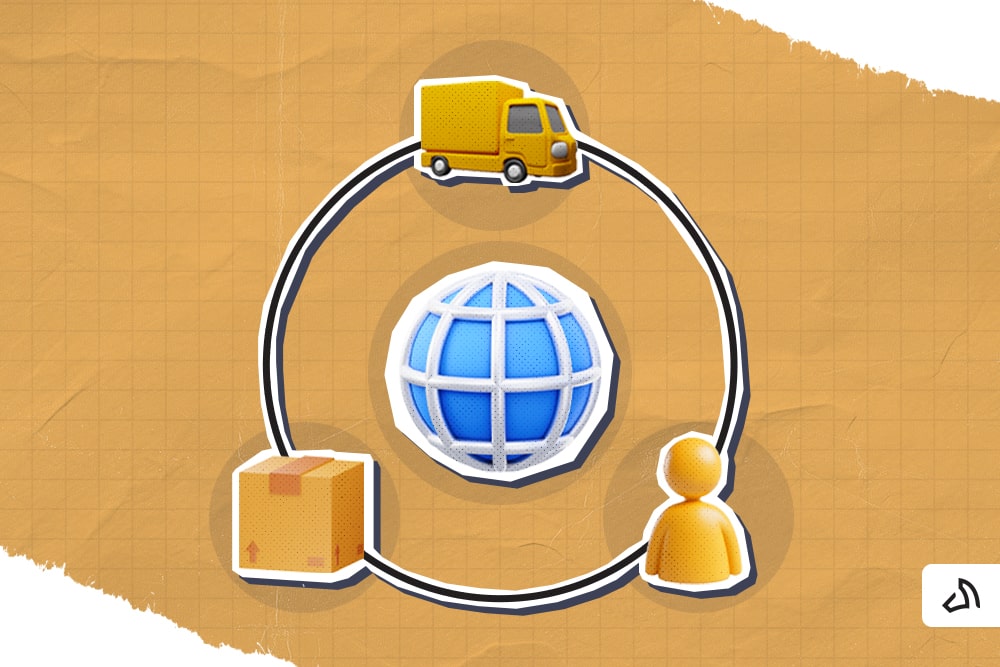
Note that your supply chain's success doesn't end with product delivery. It extends to what happens after. Reverse logistics ensures you manage that process efficiently. It helps optimize your supply chain management by:
Not only that, but it also supports sustainability goals and enhances customer trust by offering convenient return and replacement options.
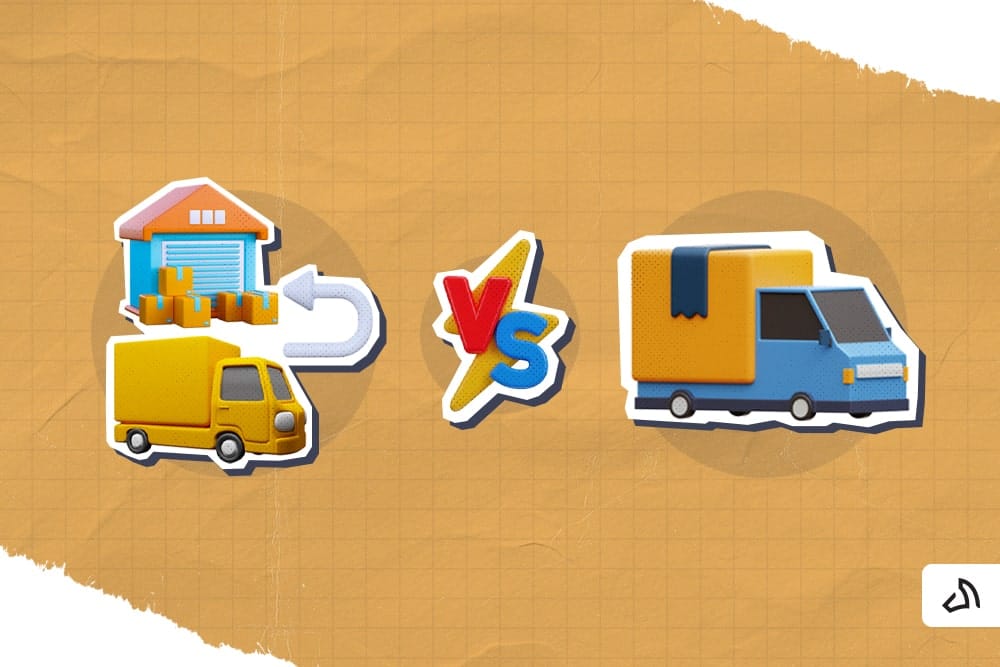
While both types of logistics are essential, there is a vast difference between the two. Below is a table to help retailers differentiate each of them:
| Aspect | Traditional Logistics | Reverse Logistics |
| Direction of Flow | From supplier or manufacturer to customer | From customer back to seller, manufacturer, or recycler |
| Main Objective | Deliver products efficiently and on time | Recover value, manage returns, and reduce waste |
| Key Activities | Procurement, inventory, transportation, and delivery | Returns processing, refurbishment, recycling, and disposal |
| End Goal | Customer loyalty and satisfaction through timely delivery | Sustainability, cost recovery, and efficiency returns |
| Customer Interaction | Ends after product delivery | Continues after sale through return or repair services |
In summary, while traditional logistics drives sales and customer acquisition, reverse logistics strengthens long-term relationships by managing returns, sustainability, and after-sales efficiency.
Reverse logistics covers several processes, each addressing specific aspects of product recovery, reuse, or disposal. Below are the most common types of businesses that implement to keep their operations efficient.
This handles situations when customers return items to the sellers.
Example:
An online clothing store lets shoppers return items that don't fit. After checking the quality, they restock those items for reselling.
An effective RPP sets the tone for your return process.
Example:
A tech store clearly specifies the number of days (e.g., 30-day return policy) on unopened gadgets. This straightforward yet clear policy will help reduce complaints and ensure things run smoothly.
This process extends the life of returned products by fixing or refreshing them to meet quality standards before reselling them.
Example:
A smartphone manufacturer collects defective or used phones, repairs them, and sells them as "certified refurbished" units at a discounted price.
Packaging waste contributes significantly to environmental impact. Reusing, recovering, or recycling packaging materials can lower costs and promote eco-friendly goals.
Example:
A skincare brand encourages customers to send back empty containers for recycling. In return, the shop offers credits or discounts, turning packaging waste into a loyalty incentive.
Related Post: Dunnage 101: Definition, Purpose, and Types
Not every product reaches the customers, but they don't have to sit idle, either. You can reuse or redistribute them efficiently to recover value.
Example:
A seasonal apparel company sends unsold winter jackets back to its warehouse to resell them in outlet stores.
You don't have to throw away products that reach the end of their usable life. As long as you can recycle or dispose of them properly, they can still provide value.
Example:
A tech firm collects outdated laptops from offices and safely extracts reusable components.
Sometimes, products don't reach customers due to address errors or failed delivery attempts.
Example:
A courier service redirects undeliverable parcels back to the seller's fulfillment centre.
Reverse logistics is crucial for businesses that rent or lease items, as returns are an integral part of the process.
Example:
A furniture rental company picks up office desks after a lease ends, refurbishes them, and rents them out again.
Products requiring servicing enjoy a structured reverse logistics process.
Example:
A laptop brand offers mail-in repair services—customers send their devices back, technicians fix them, and the owners will receive the refurbished units within a few days.
Businesses often follow the 7 R’s — seven key checkpoints to measure performance. Here are the best practices for an efficient reverse logistics process:
Reverse logistics management happens all around us without you noticing it. For instance:
These examples show that reverse logistics isn't just about handling returns. It's also about sustainability and customer loyalty.
If you’re looking for reliable partners, here are five companies known for their reverse logistics expertise:
Stallion is a Canadian 3PL and cross-border logistics provider. It offers a range of services to eCommerce sellers, including seamless returns management. Through its user-friendly online platform and nationwide warehouse network, Stallion makes it easy for Canadian sellers to manage product returns efficiently.
What it offers:
With discounted courier rates and integrations for platforms like Shopify, eBay, and Amazon, Stallion helps eCommerce brands reduce costs and turnaround times while keeping customers happy.
UPS offers advanced reverse logistics technology and an extensive global delivery network.
What it offers:
Businesses can enjoy UPS's integrated systems that track, analyze, and optimize return flows. Whether managing domestic or international returns, UPS ensures a fast, reliable, and transparent process that enhances both efficiency and sustainability.
FedEx simplifies reverse logistics with easy-to-use return label solutions and product recovery services.
What it offers:
This visibility enables faster restocking, refurbishment, and refund processing. FedEx also supports sustainability efforts with disposal and recycling programs. It helps online sellers minimize waste and maintain environmentally responsible operations.
XPO Logistics specializes in large-scale reverse logistics solutions for retailers, manufacturers, and distributors.
What it offers:
These services allow businesses to recover maximum product value while reducing operational costs.
DHL Express focuses on sustainable, international return solutions that help businesses manage global returns with ease.
What it offers:
DHL combines speed, sustainable developments, and scale. This makes an excellent choice for international eCommerce brands with high return volumes.
A solid reverse logistics system brings major advantages:
Reverse logistics isn't just about taking things back. It's about moving your business forward. From reducing costs to improving sustainability, it's an essential part of a modern, customer-centric supply chain.
As mentioned, Stallion can help you handle returns effortlessly. With our expert 3PL solutions, you can focus on growth while we manage the details.
Make your returns process smoother and smarter. Partner with Stallion today!

Jose is Stallion's Senior Business Analyst. He helps improve the company’s shipping processes, works closely with delivery partners, and looks at shipping data to find the best prices for our customers. Outside of work, Jose has a passion for running, regularly completing 5k and 10k runs, with the goal of running a full marathon in the near future.
Can our fellow Torontonians relate?
-
#smallbusiness #business #entrepreneur #socialmedia #shipping #ecommerce #canadianecommerce #shopify #poshmark #b2b #saas #etsy #ebay #canada #canadiansmallbusiness #shoplocalcanada #entrepreneur
#toronto

Here’s your quick hassle free shipping from 🇨🇦 to 🇺🇸 as a business owner!
-
Any questions?! Leave them 👇🏻 and save this video so you don’t forget!
-
#smallbusiness #business #entrepreneur #socialmedia #shipping #ecommerce #canadianecommerce #shopify #poshmark #b2b #saas #etsy #ebay #canada #canadiansmallbusiness #shoplocalcanada #entrepreneur
Meet @drinkbenny a 🇨🇦 female founded energy drink brand! Instead of focusing on their products, they’re taking a unique approach by hosting in person events in different Canadian cities to offer an experience for their community 🧡
-
What are your thoughts on in person events? 💭
-
#smallbusiness #business #entrepreneur #socialmedia #shipping #ecommerce #canadianecommerce #shopify #poshmark #b2b #saas #etsy #ebay #canada #canadiansmallbusiness #shoplocalcanada #entrepreneur
Do you know the difference between DDU and DDP when shipping internationally 🌏 ?
-
Questions? Leave them below! 👇🏻
-
#smallbusiness #business #entrepreneur #socialmedia #shipping #ecommerce #canadianecommerce #shopify #poshmark #b2b #saas #etsy #ebay #canada #canadiansmallbusiness #shoplocalcanada #entrepreneur
Here’s a quick hack to save time from choosing multiple postage options
↪️ Turn on the lowest postage rate automation to save you time!
-
Questions? Leave them below! 👇🏻
-
#smallbusiness #business #entrepreneur #socialmedia #shipping #ecommerce #canadianecommerce #shopify #poshmark #b2b #saas #etsy #ebay #canada #canadiansmallbusiness #shoplocalcanada #entrepreneur