Shipping to Canada
Save up to 50%

Shipping to the U.S.
Save up to 75%

Shipping Internationally
Save up to 85%

Same Day Delivery
Across the GTA

Returns
Lowest rate on the market
Inventory is very crucial if you want your business to succeed. But let's be real. Not all inventory moves as planned. Sometimes, products sit on shelves for months or even years waiting for someone to buy them. This type of unsold inventory is what we call deadstock.
This article will discuss what deadstock is, why it happens, and how to prevent it to maintain your business's healthy inventory levels and improve overall profitability.
Deadstock refers to products that have remained unsold for an extended period and are unlikely to sell at their original price. These items often accumulate in warehouses, stockrooms, or fulfillment centres. As a result, they may eventually require significant discounts or liquidation to clear.
It is actually common in industries such as fashion, electronics, and consumer goods. These industries often have:
For example:
A fabric store that overproduces winter jackets may find that some items remain unsold once the cold season ends. Unless demand returns the following year, those jackets could become deadstock.
Several factors can lead to deadstock accumulation. Here are some of the situations in which you can expect this to happen:
Inaccurate forecasting happens when companies:
When any of these happen, brands may miscalculate demand. As a consequence, they risk producing or ordering more products than customers are willing to buy.
Let's say that you're expecting a good sale this season. You bought stocks in large quantities to prepare for it. Unfortunately, the demand doesn't match your expectations. Now, you have products that may remain unsold for long periods.
Simply put, it also increases the risk of excess stock.
Like any journey, a lack of clear visibility in your stock levels will put you off track. You may reorder already overstocked items without any idea.
These factors can all contribute to deadstock buildup.
Products with high prices or poor promotions may struggle to attract buyers. Without strategic discounts or marketing campaigns, the products can remain stagnant. Eventually, these items become deadstock (and a stress on your shop).
As we all know, consumer preferences change so quickly. Once a popular clothing item can lose demand in an instant when new styles, innovations, or competing products enter the market. It is especially true in industries like apparel, beauty, and technology.
Deadstock doesn’t just take up shelf space. It can create a significant impact on your finances and operations. Here are some of the disadvantages of having one in your own stockpile:
Unsold collection represents money you have already spent on production or product purchases.
Let's say you have a fabric deadstock. If it's still unsold and it's been a while, you're tying up its capital. It will lead you to fewer resources available for new inventory, marketing, or operational growth.
As long as the items are still in your possession, they will continue to occupy space. Over time, businesses may pay additional costs for storage, handling, insurance, and inventory management for products that generate no revenue.
A healthy business relies on consistent product turnover to generate cash flow. So, when inventory sits unsold, it prevents companies from reinvesting that revenue into new opportunities.
Products can become outdated over time, like electronics replaced by newer models or fashion items going out of style. Once this happens, selling them at their original price becomes even more difficult.
You could have invested the space and capital used for the unsold items in faster-selling or more profitable products. This missed opportunity can affect the company's overall growth and competitiveness.
The cost can add up faster than most businesses expect. Its costs may include:
Even small amounts can compound into significant losses if inventory management issues persist.
To make the above explanation more concrete, here's a sample computation using estimates for a small-to-medium online business.
Let's say you have 500 unsold units.
Computation
Total Cost
$17,250 total loss from a $10,000 investment

To avoid spending so much, you need a proactive approach to planning and demand analysis. Here are ways to prevent this from happening:
Don't just rely on your guts. Use historical data, market trends, and seasonal patterns to improve demand forecasting. It may not be 100% accurate, but it provides enough accuracy to maintain optimal inventory levels.
Sometimes we're so excited we end up ordering large quantities at once. This time, consider smaller, more frequent supplier inventory orders. This approach allows you to respond to real-time demand and reduce excess stock.
Selling across multiple platforms can be overwhelming. However, using this strategy can outweigh the cons. Utilize online marketplace, retail stores, and social commerce to increase product exposure and help move inventory faster.
Diversification also reduces reliance on a single sales channel.
It may sound counterintuitive to offer promotions, discounts, and bundles. But this strategy can help clear slow-moving inventory. Limited-time offers and seasonal promotions can also encourage customers to purchase earlier.
Understand how the product life cycle works to anticipate when demand might decline. Simply put, planning ahead lets you reduce stock before it reaches the end of its lifecycle.
Similar Read: FIFO: Everything You Need to Know
Regular inventory audits can help you monitor how the products are going. You can easily identify what's moving so fast and what is stagnant early. With the data from the audits, it's easier for you to adjust your purchasing decisions and promotions.
Similar Read: Ending Inventory: Definition, Formula, and Calculation
Working with a third-party logistics (3PL) partner can improve inventory visibility and warehouse efficiency. These partners often offer advanced systems, optimized solutions, and faster order fulfillment. Eventually, it will help you maintain better stock control.
Deadstock is a common challenge for many businesses. However, it doesn't have to become a long-term financial burden. With the strategies provided above, you can minimize the risk of unsold products and maintain healthier stock levels.
Understanding the causes of deadstock is the first step toward building a more efficient and profitable supply chain.
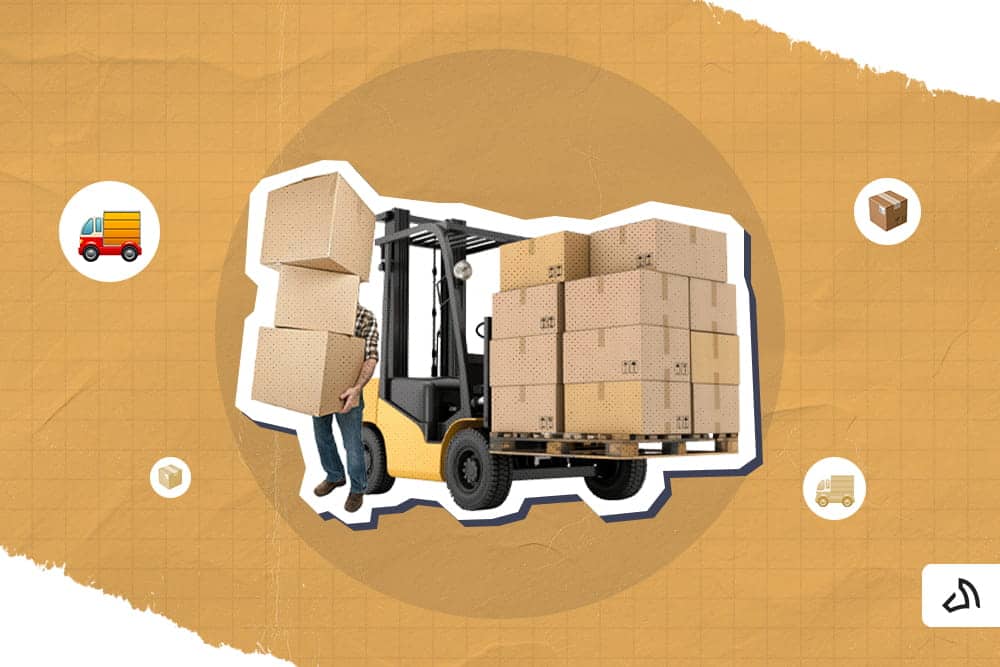
Stallion takes the weight off your shoulders. We simplify inventory, optimize storage, and keep your orders moving efficiently from warehouse to doorstep.
Here's why thousands of Canadian sellers trust Stallion:
See how Stallion handles fulfillment for Canadian sellers!

Jose is Stallion's Senior Business Analyst. He helps improve the company’s shipping processes, works closely with delivery partners, and looks at shipping data to find the best prices for our customers. Outside of work, Jose has a passion for running, regularly completing 5k and 10k runs, with the goal of running a full marathon in the near future.

Can our fellow Torontonians relate?
-
#smallbusiness #business #entrepreneur #socialmedia #shipping #ecommerce #canadianecommerce #shopify #poshmark #b2b #saas #etsy #ebay #canada #canadiansmallbusiness #shoplocalcanada #entrepreneur
#toronto

Here’s your quick hassle free shipping from 🇨🇦 to 🇺🇸 as a business owner!
-
Any questions?! Leave them 👇🏻 and save this video so you don’t forget!
-
#smallbusiness #business #entrepreneur #socialmedia #shipping #ecommerce #canadianecommerce #shopify #poshmark #b2b #saas #etsy #ebay #canada #canadiansmallbusiness #shoplocalcanada #entrepreneur
Meet @drinkbenny a 🇨🇦 female founded energy drink brand! Instead of focusing on their products, they’re taking a unique approach by hosting in person events in different Canadian cities to offer an experience for their community 🧡
-
What are your thoughts on in person events? 💭
-
#smallbusiness #business #entrepreneur #socialmedia #shipping #ecommerce #canadianecommerce #shopify #poshmark #b2b #saas #etsy #ebay #canada #canadiansmallbusiness #shoplocalcanada #entrepreneur
Do you know the difference between DDU and DDP when shipping internationally 🌏 ?
-
Questions? Leave them below! 👇🏻
-
#smallbusiness #business #entrepreneur #socialmedia #shipping #ecommerce #canadianecommerce #shopify #poshmark #b2b #saas #etsy #ebay #canada #canadiansmallbusiness #shoplocalcanada #entrepreneur
Here’s a quick hack to save time from choosing multiple postage options
↪️ Turn on the lowest postage rate automation to save you time!
-
Questions? Leave them below! 👇🏻
-
#smallbusiness #business #entrepreneur #socialmedia #shipping #ecommerce #canadianecommerce #shopify #poshmark #b2b #saas #etsy #ebay #canada #canadiansmallbusiness #shoplocalcanada #entrepreneur