Shipping to Canada
Save up to 50%

Shipping to the U.S.
Save up to 75%

Shipping Internationally
Save up to 85%

Same Day Delivery
Across the GTA

Returns
Lowest rate on the market
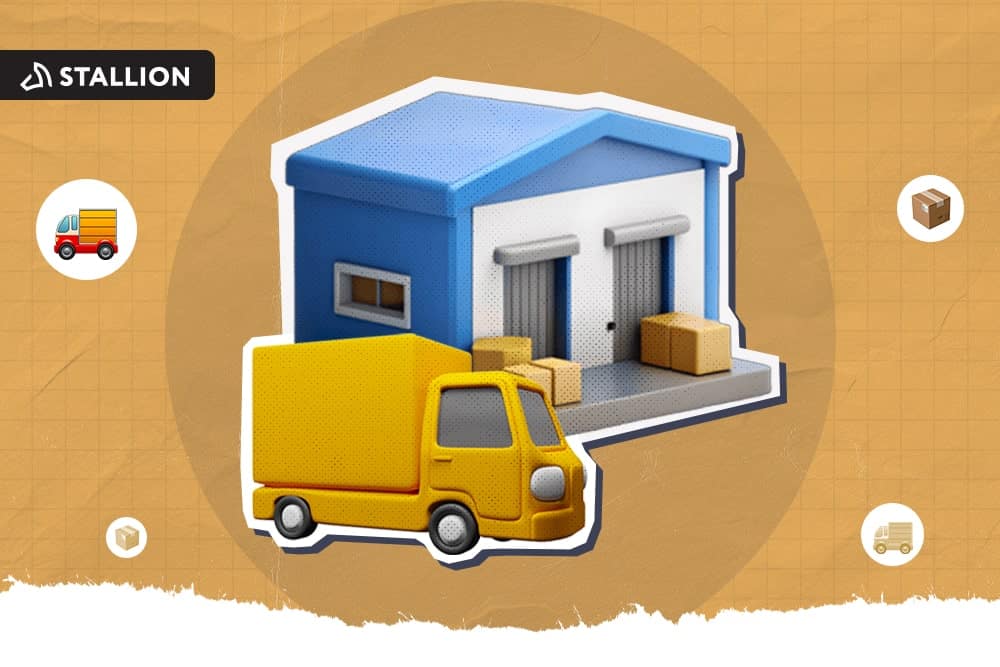
Running an online business means juggling inventory, shipping timelines, and customer expectations. You have to do everything simultaneously. But, thankfully, you can take advantage of a warehouse distribution system.
What is this? How can you take advantage of it? This blog will walk you through what it is, how it works, and why it matters for Canadian online sellers.
Warehouse distribution stores products and moves them efficiently from suppliers to customers. However, it's more than just sending an item from one place to another. It's also about speed and accuracy.
Think of it as the bridge connecting your inventory with buyers.
There are many reasons why Canadian sellers use warehouse distributions, but here are some of them:
In short, warehouse distribution keeps your business running smoothly.
Similar Read: How Canadian Warehouse Shipping Works for Online Businesses
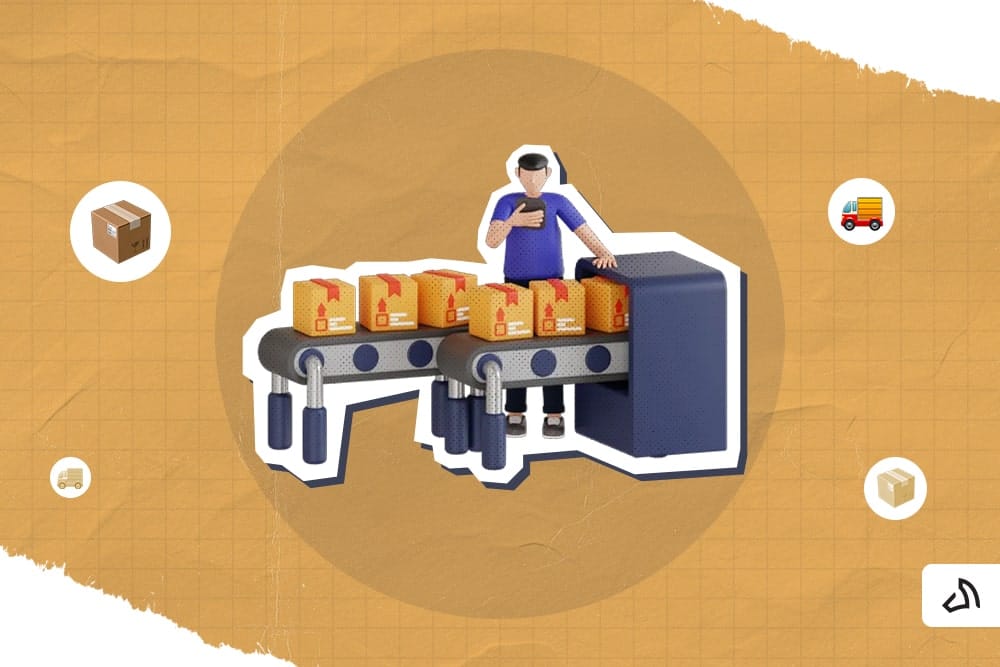
It involves a series of steps that work together to deliver products efficiently. Each step ensures customers receive the right product on time. Let's take a look at each of the steps:
The warehouse receives inventory from suppliers or manufacturers. Once received, they verify the number and condition of each product. Then, they log the items into the system for tracking.
This process is very crucial. Note that accurate receiving prevents errors, overselling, and delays. You can avoid these problems, which can definitely hurt your business.
Once the inventory is in the system, the fulfillment begins. The staff will complete warehouse management logistics, such as:
This step simplifies everything and ensures customers receive their orders without unnecessary delays.
In addition, the staff will perform the most crucial step in order fulfillment: picking and packing. During picking, they locate the exact items for each order and pull them from storage.
They then pack the products securely using appropriate packaging materials and apply accurate shipping labels. When done right, you can:
All these factors directly improve customer satisfaction.
After packing, the warehouse hands orders off to shipping carriers, such as Stallion, Canada Post, or UPS. The warehouse generates tracking information and ensures packages leave on time. Note that efficient shipping is more than just sending the package to the customers. It also means that Canadian sellers can:
Similar Read: E-commerce Warehouses: How Do They Function? (2025)
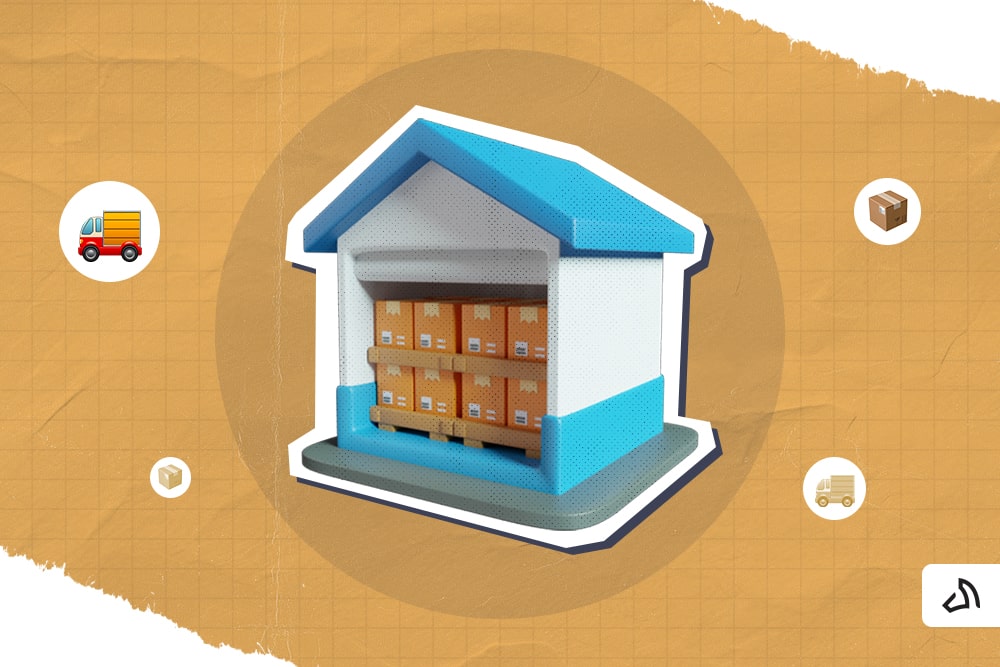
People often mix up warehouses and distribution centers. Of course, it's understandable. Both handle inventory. However, it's important to remember that each supports eCommerce businesses in different ways.
A warehouse primarily stores inventory for extended periods. Sellers use warehouses when they need safe, organized storage for products that don't move quickly or that sell seasonally.
On the other hand, a distribution center focuses on moving products out as fast as possible. These facilities receive inventory, process large order volumes, and ship them quickly to retailers or customers. Growing eCommerce businesses often rely on them to meet increased order volume.
Now, another term arises when we discuss these two. It's the fulfillment center. Many sellers confuse this with the other two because it also stores inventory. But here's the thing: it specializes in direct-to-consumer (DTC) orders.
What does it do?
It primarily handles picking, packing, and shipping. However, on some occasions, it also caters to returns. Fulfillment centers mainly serve Canadian online sellers who ship individual orders daily. It also works well for those who want faster delivery without managing a warehouse.
In simple terms:
| Facility Type | Primary Purpose | Best For | How It Supports Canadian Online Sellers |
| Warehouse | Long-term inventory storage | Seasonal products, bulk inventory, slower-moving items | Keeps inventory organized and ready without pressure to ship immediately |
| Distribution Center | Fast movement of goods | High-volume orders, wholesale or retail distribution | Speeds up product flow and reduces delivery times across Canada or to the US |
| Fulfillment Center | Direct-to-customer order processing | eCommerce sellers shipping daily orders | Handles picking, packing, shipping, and returns so sellers can scale faster |
You can encounter different warehouse types as you explore them. Each warehouse serves unique purposes. Let's take a look at what they can offer to your business:
A public warehouse is a shared space for multiple businesses. It offers flexible storage options without long-term commitments. So, it works well for small sellers or seasonal products.
It is a traditional warehouse typically owned or rented by a single business. Most, if not all, let you control the inventory management and operations. This type is ideal for larger sellers with higher order volume. Additionally, you can manage the order fulfillment process from start to finish.
As the name suggests, automated warehouses. It leverages technology to manage inventory and warehouse operations. They use robots and software to store, pick, and pack items more quickly across their distribution network. It helps reduce errors and speeds up order processing.
Do your products need a cooler temperature? If so, a climate-controlled facility is what they need. It maintains consistent temperature and humidity throughout the warehouse space. Plus, it supports distribution logistics for sensitive products. If you have cosmetics, food, or electronics, they can help you.
Cross-docking moves products quickly from receiving to shipping. It simplifies workflows for fast-moving items that many sellers choose to outsource. This process makes it an ideal option for high-volume products like beauty products and seasonal goods.
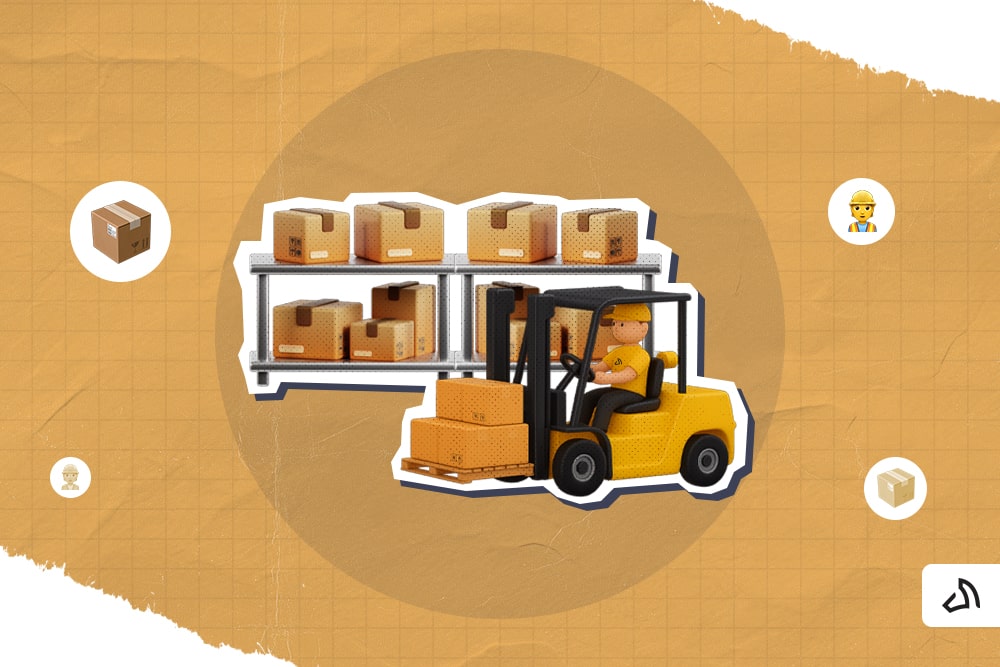
It goes beyond storing and shipping products. Warehouse or distribution actively drives efficiency across the supply chain. When paired with a warehouse management system (WMS), it can:
For example:
Merchants can plan restocking, avoid overstocking, and keep popular products available year-round.
Another example:
Let's say, sellers are selling during peak seasons or promotional events. The WMS ensures smooth order flow, helping them maintain fast shipping and high order accuracy.
The warehouse can also support cost control. In addition to the items mentioned above, it can streamline shipping routes. With this, sellers can reduce unnecessary costs while keeping deliveries fast and reliable.
In short:
A well-managed warehouse powered by a WMS turns logistics into a strategic advantage. As a result, it allows Canadian sellers to scale efficiently and satisfy customers consistently.
Optimized warehouse and distribution operations enhance the entire supply chain:
Related Post: Deadstock: What Is It, Examples, and How to Avoid It
Warehousing and distribution underpins eCommerce success. If you're a Canadian seller, the best thing you can do is to optimize this process. It will help you ship faster, reduce costs, and provide a superior customer experience.
Additionally, understanding warehouse types and strategically planning distribution can turn logistics into a competitive advantage.

Canadian online sellers don't have to manage everything themselves. We're here, Stallion, to help you out! We are your trusted Canadian third-party logistics (3PL) partner.
How can we help you?
By partnering with us, you gain access to strategically located warehouses, advanced WMS, and experienced teams that handle picking, packing, and shipping efficiently.
And you?
Focus on growing your business. Let Stallion manage the logistics from storage to your customers' doors.
It doesn't matter if you're shipping across Canada or crossing the border to the US. Stallion's 3PL services reduce operational headaches, improve delivery times, and enhance order accuracy.
We give your customers a seamless shopping experience and your business the flexibility to scale with confidence.

Jose is Stallion's Senior Business Analyst. He helps improve the company’s shipping processes, works closely with delivery partners, and looks at shipping data to find the best prices for our customers. Outside of work, Jose has a passion for running, regularly completing 5k and 10k runs, with the goal of running a full marathon in the near future.



Can our fellow Torontonians relate?
-
#smallbusiness #business #entrepreneur #socialmedia #shipping #ecommerce #canadianecommerce #shopify #poshmark #b2b #saas #etsy #ebay #canada #canadiansmallbusiness #shoplocalcanada #entrepreneur
#toronto

Here’s your quick hassle free shipping from 🇨🇦 to 🇺🇸 as a business owner!
-
Any questions?! Leave them 👇🏻 and save this video so you don’t forget!
-
#smallbusiness #business #entrepreneur #socialmedia #shipping #ecommerce #canadianecommerce #shopify #poshmark #b2b #saas #etsy #ebay #canada #canadiansmallbusiness #shoplocalcanada #entrepreneur
Meet @drinkbenny a 🇨🇦 female founded energy drink brand! Instead of focusing on their products, they’re taking a unique approach by hosting in person events in different Canadian cities to offer an experience for their community 🧡
-
What are your thoughts on in person events? 💭
-
#smallbusiness #business #entrepreneur #socialmedia #shipping #ecommerce #canadianecommerce #shopify #poshmark #b2b #saas #etsy #ebay #canada #canadiansmallbusiness #shoplocalcanada #entrepreneur
Do you know the difference between DDU and DDP when shipping internationally 🌏 ?
-
Questions? Leave them below! 👇🏻
-
#smallbusiness #business #entrepreneur #socialmedia #shipping #ecommerce #canadianecommerce #shopify #poshmark #b2b #saas #etsy #ebay #canada #canadiansmallbusiness #shoplocalcanada #entrepreneur
Here’s a quick hack to save time from choosing multiple postage options
↪️ Turn on the lowest postage rate automation to save you time!
-
Questions? Leave them below! 👇🏻
-
#smallbusiness #business #entrepreneur #socialmedia #shipping #ecommerce #canadianecommerce #shopify #poshmark #b2b #saas #etsy #ebay #canada #canadiansmallbusiness #shoplocalcanada #entrepreneur